
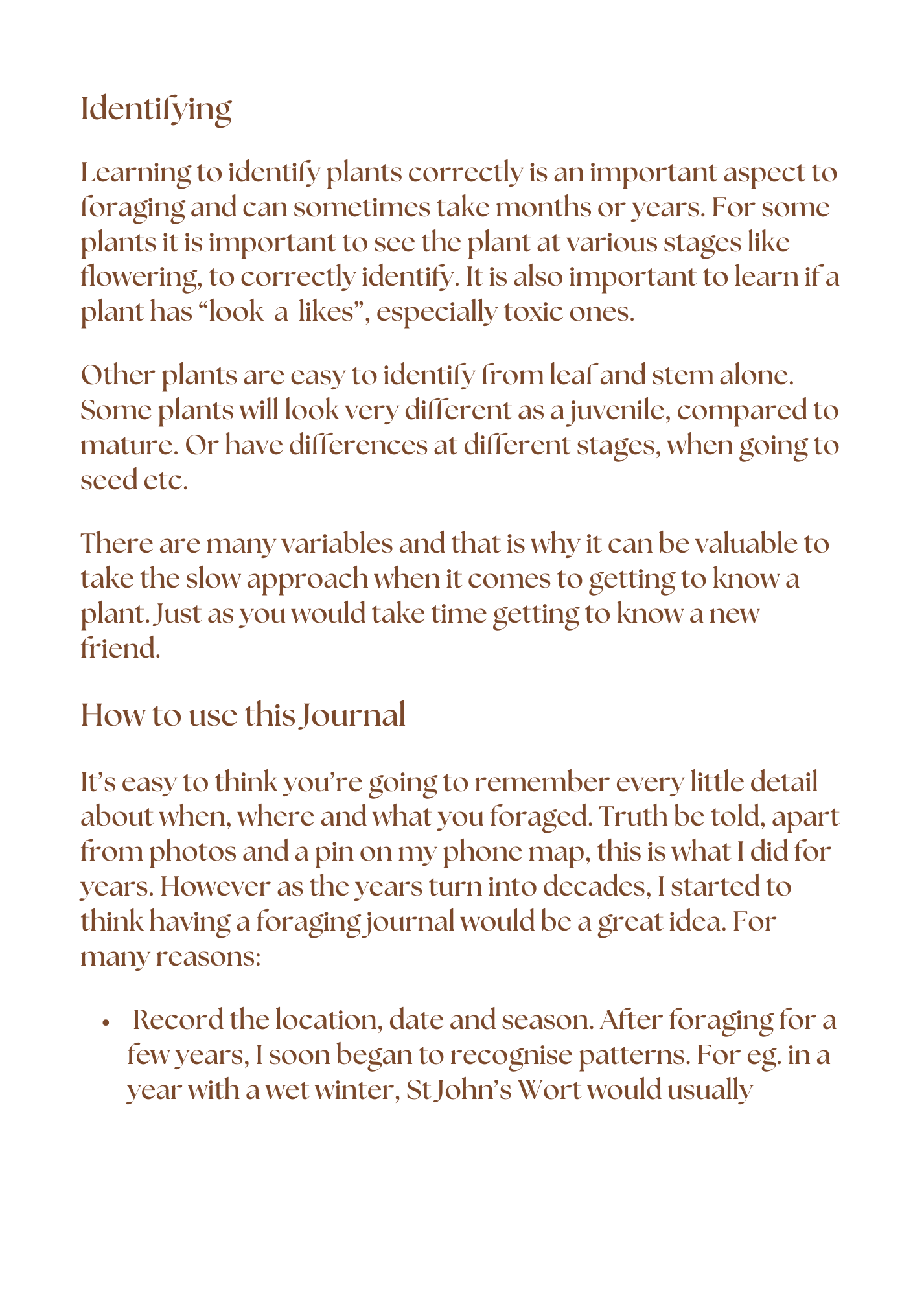
A companion for both budding and seasoned foragers. Keep track of foraged plants, jot down helpful details, and build your own collection of simple herbal knowledge.
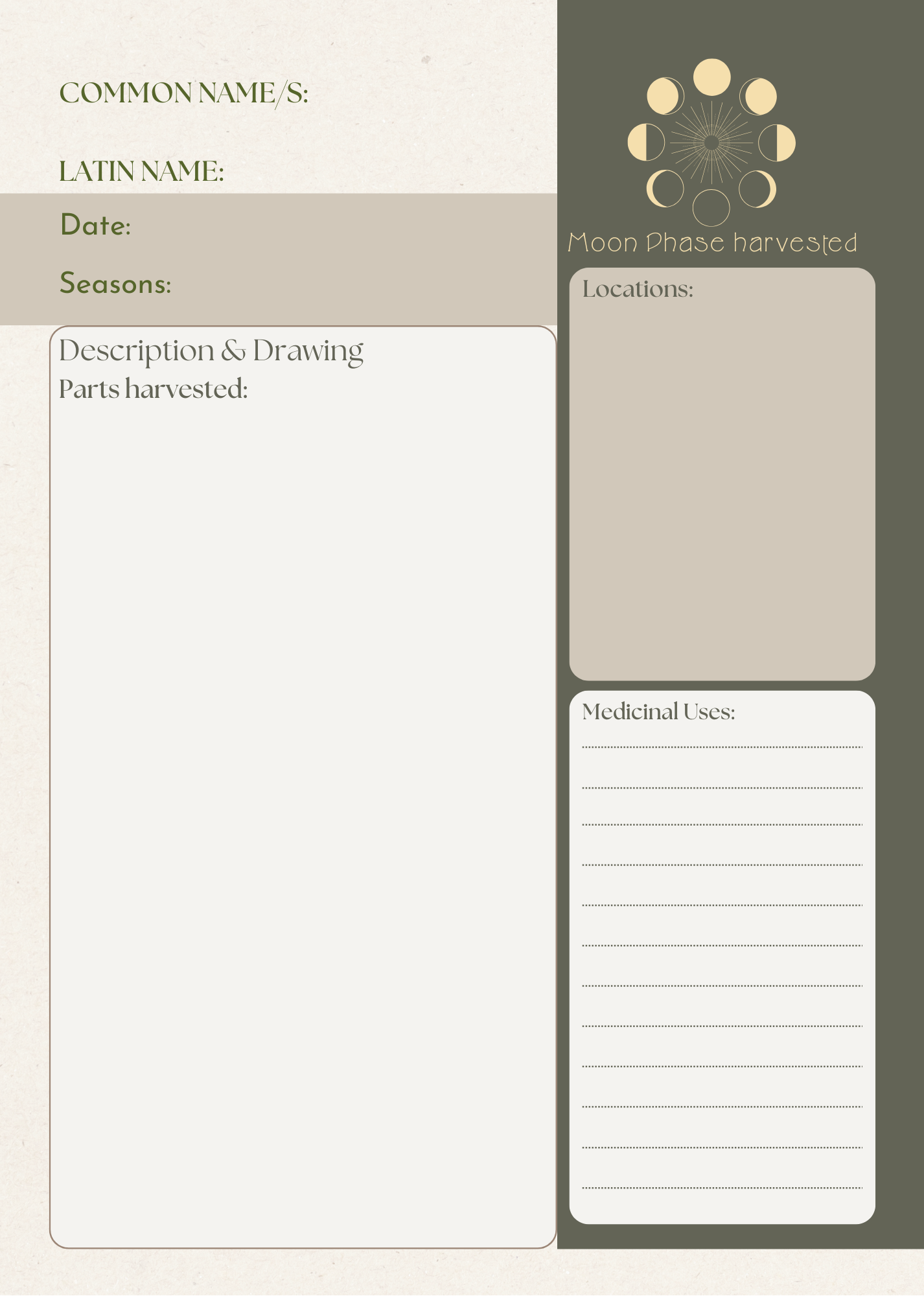
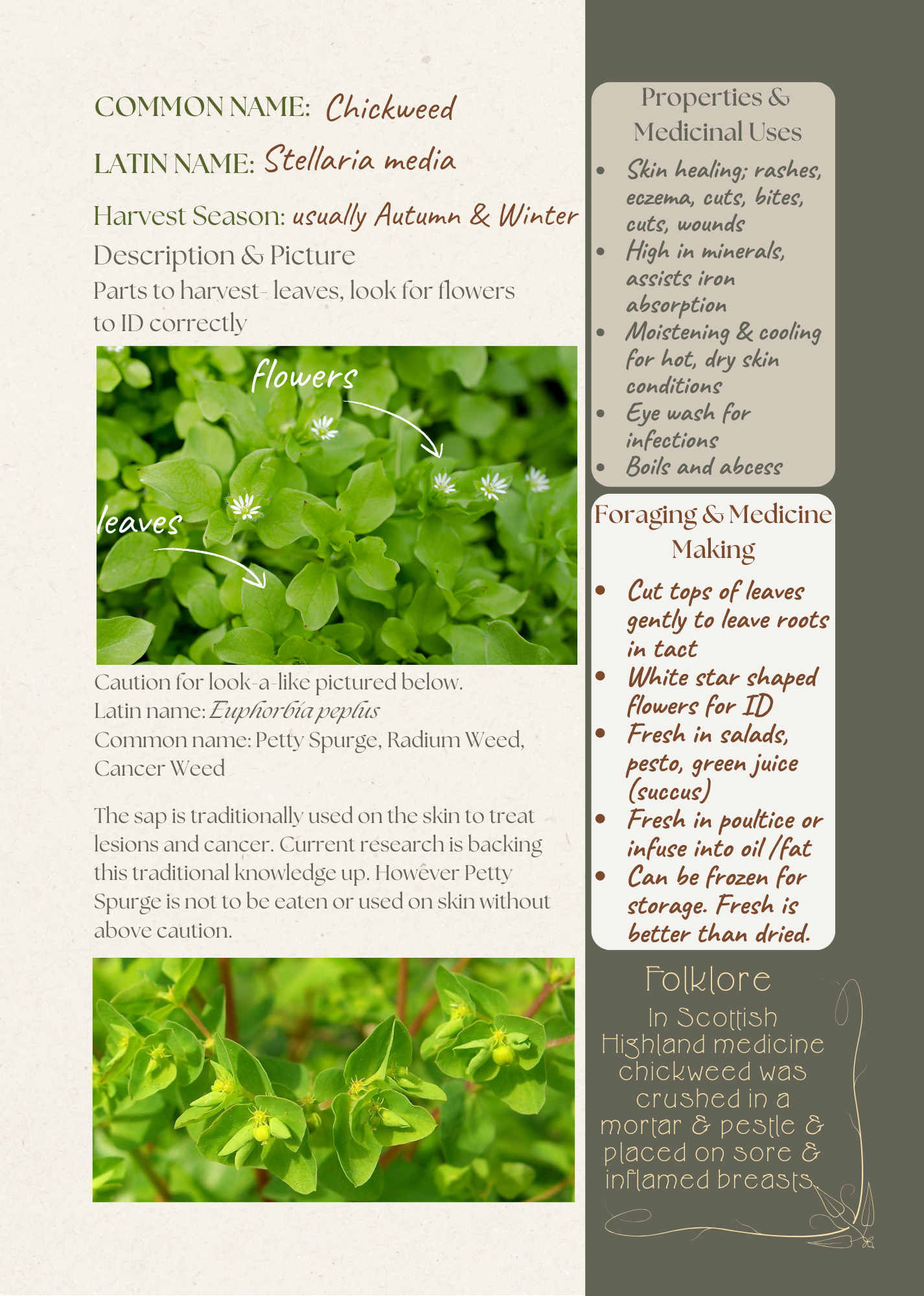
Complete with 13 common medicinal plant profiles that can be found in Australia and around the world. 36 pages for recording your own foraging finds, a useful equipment list, foraging tips & guidance. Plus photos to assist with identification, traditional uses, and unique properties. Record where you found each plant, seasonal observations & preparation methods. Over time, this becomes your own living record that you can pass on to future generations. Perfect for herbal enthusiasts, wild crafters and anyone curious about plant medicine, this journal invites you to slow down, observe closely, and cultivate your own relationship with the healing power of plants in your local area.
Plant profiles included: - Chickweed - Cleavers - Dandelion - Goldenrod - Gotu Cola - Japanese Honeysuckle - Kelp - Motherwort - Mullein - Nettle - Plantain - St John's Wort - Usnea
See sample pages pictured.
Purchasing Options: If you’re in Australia and wanting a foraging journal and/or herbal products - purchasing here in the store is the way to go. If you’re not in Australia and just want a foraging journal you can buy direct from the Lulu Publishing Bookstore HERE. The price is the same.
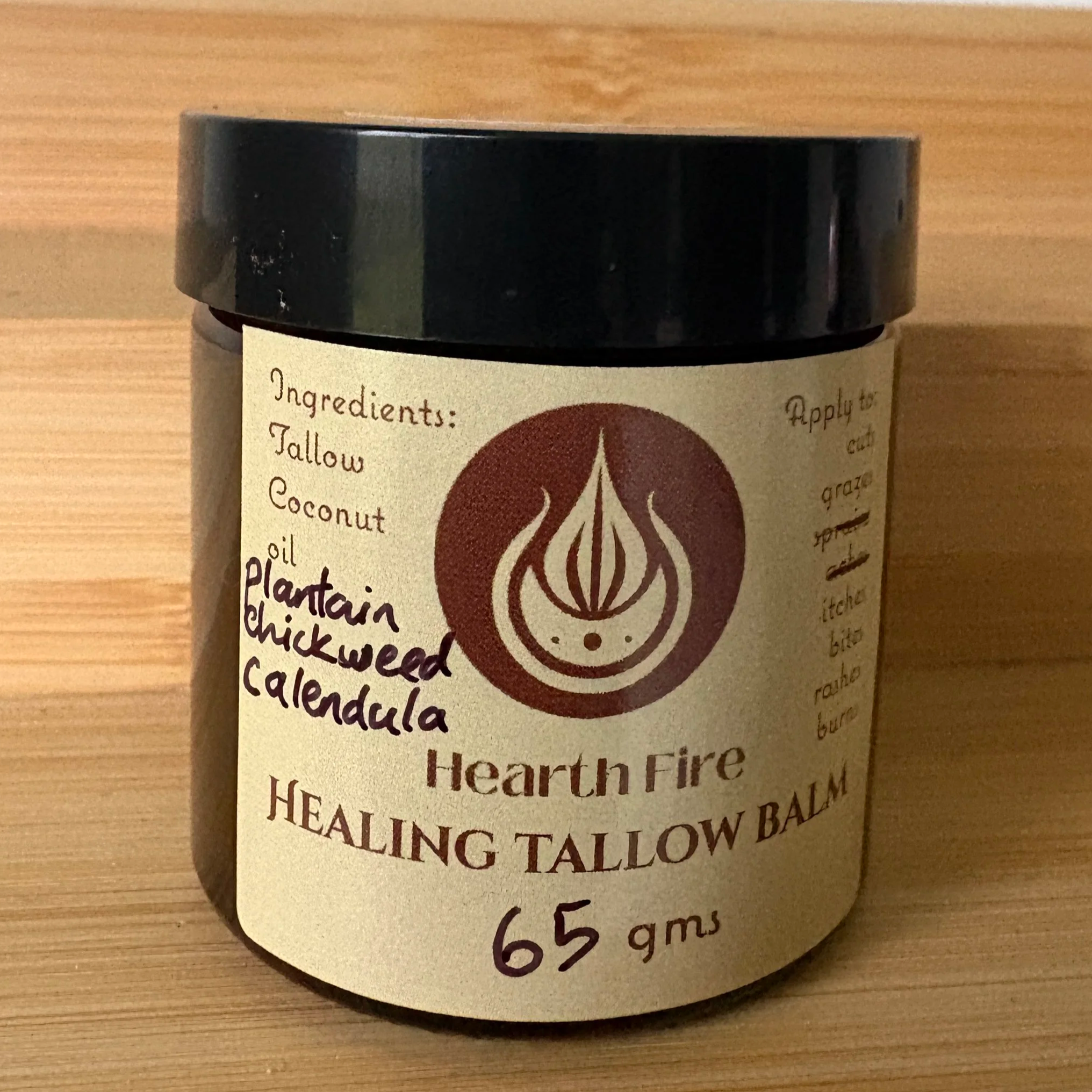
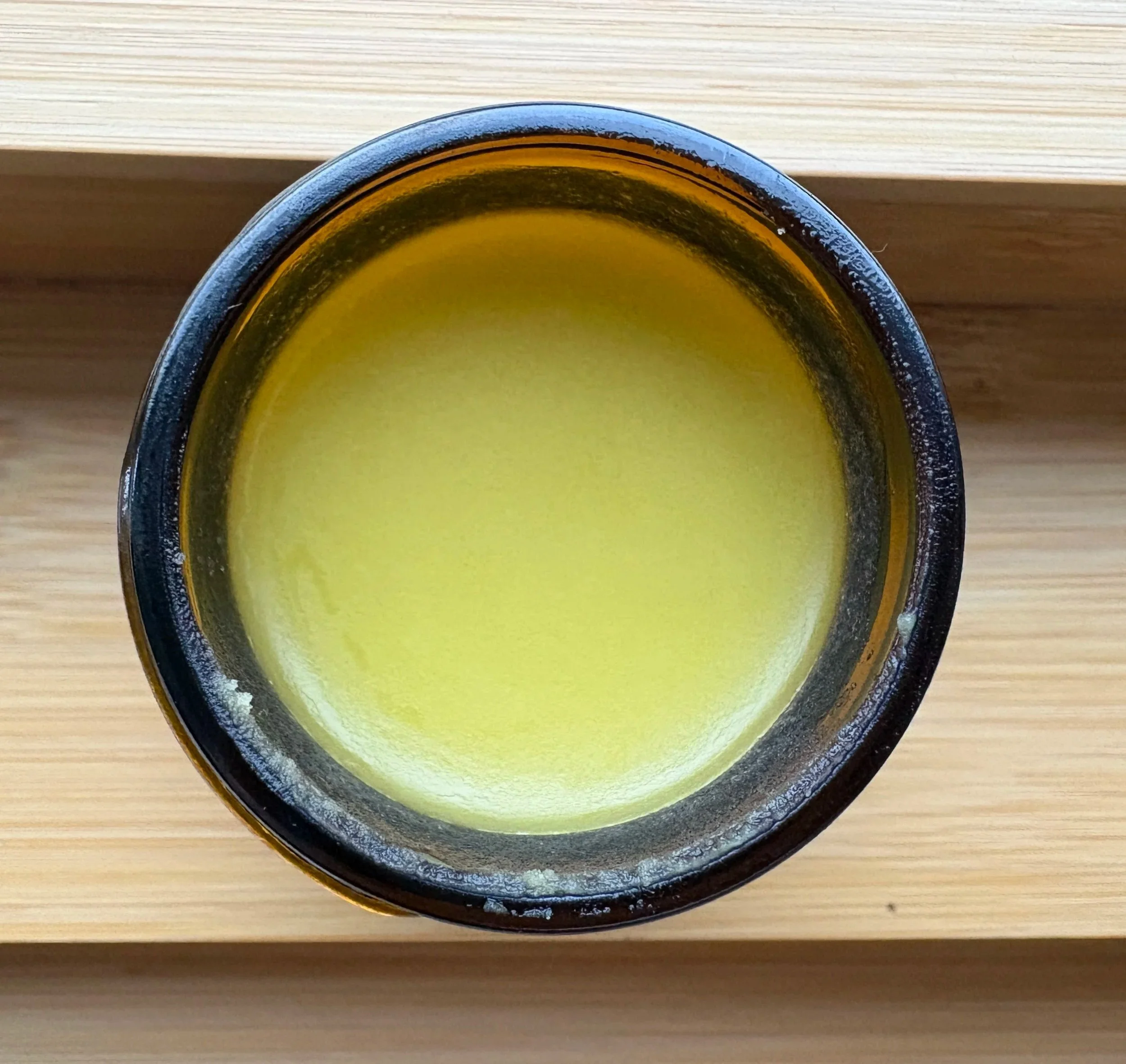
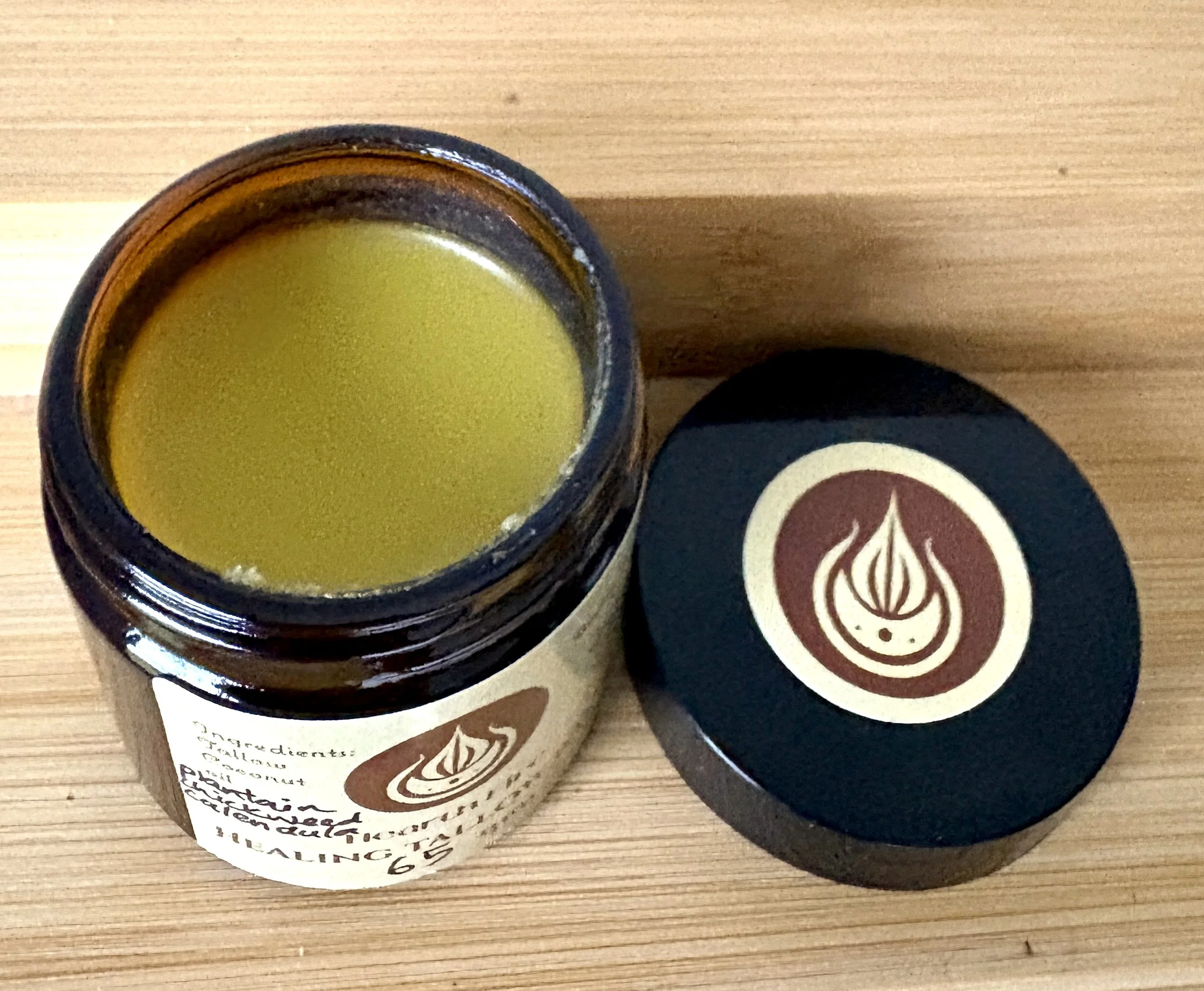
A golden, soothing and healing powerhouse tallow balm for the family first aid kit! Like a lullaby for the skin. Think; nappy rashes, chafe, eczema, nipple soreness, wound healing, infection prevention, rashes, bites, stings, burns.
Calendula (Calendula officinalis)
Soothes inflammation and reduces redness from minor irritations and sun exposure
Promotes gentle wound healing by stimulating tissue repair and cell regeneration
Antimicrobial properties help reduce risk of infection in small cuts, scrapes, and chafed skin
Supports skin hydration and barrier repair
Useful for sensitive or compromised skin (eczema, dermatitis) due to mild, non-irritating action
Plantain (Plantago lanceolata)
Strong anti-inflammatory action that calms itching, stinging, and swelling from bites, rashes, and minor burns
Astringent and drawing properties help pull out irritants and support healing of splinters, stings, and surface wounds
Antimicrobial and mildly antiseptic, reducing infection risk in superficial injuries
Encourages tissue repair and reduces scarring when used on slow-healing or irritated areas
Gentle enough for delicate skin and useful in treating irritated patches (eczema, nappy rash)
Chickweed (Stellaria media)
Cooling, soothing action that relieves itching and irritation from dry skin, eczema, and rashes
Mild anti-inflammatory properties reduce redness and discomfort
Emollient and nutritive qualities help restore softness and supple texture to rough, dry skin
Lightweight absorption makes it useful in balms for everyday soothing without a heavy residue
Good for irritated, inflamed, or chafed skin and for maintaining comfort during healing
Combination benefits in a balm
Broad-spectrum topical support: anti-inflammatory, antimicrobial, astringent, and emollient actions together aid faster, cleaner healing
Versatile for first-aid and everyday skin care: minor cuts, burns, bites, rashes, eczema, chafing, and dry patches
Gentle and well-suited for sensitive skin and frequent use
Ingredients:
Beef tallow
Calendula (Calendula officinalis)
Plantain (Plantago lanceolata)
Chickweed (Stellaria media)
Vit. E oil as an antioxidant at 1-2% total volume
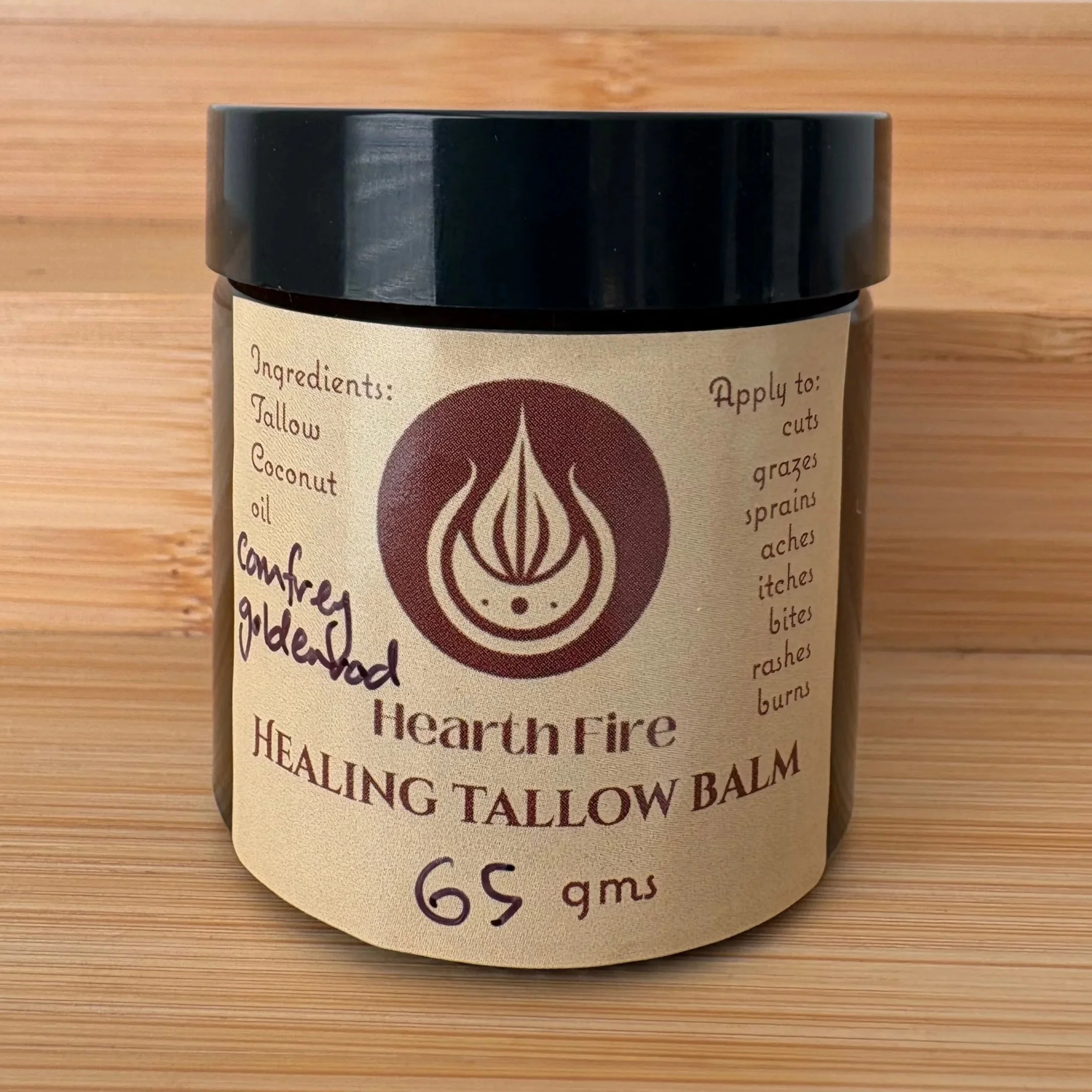
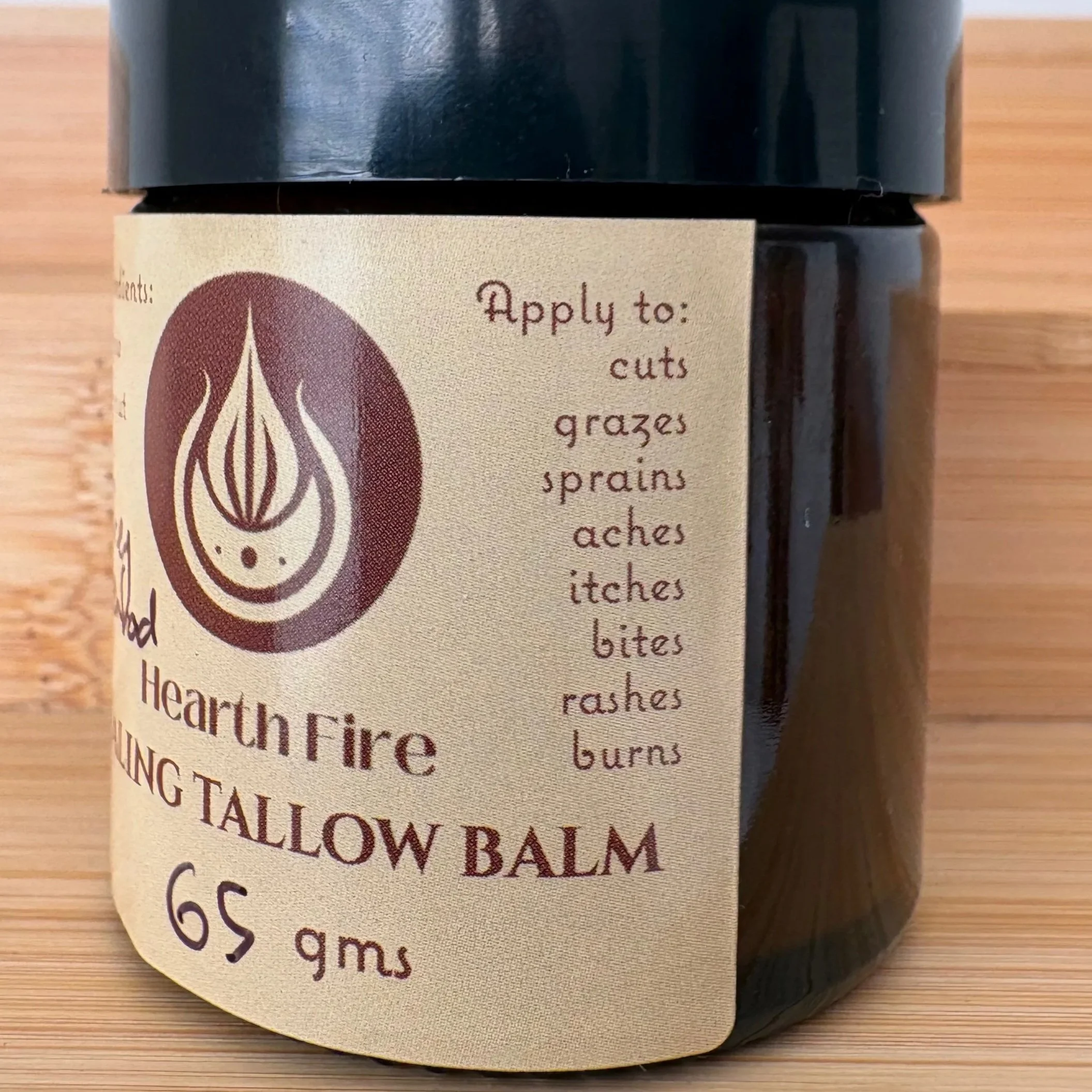
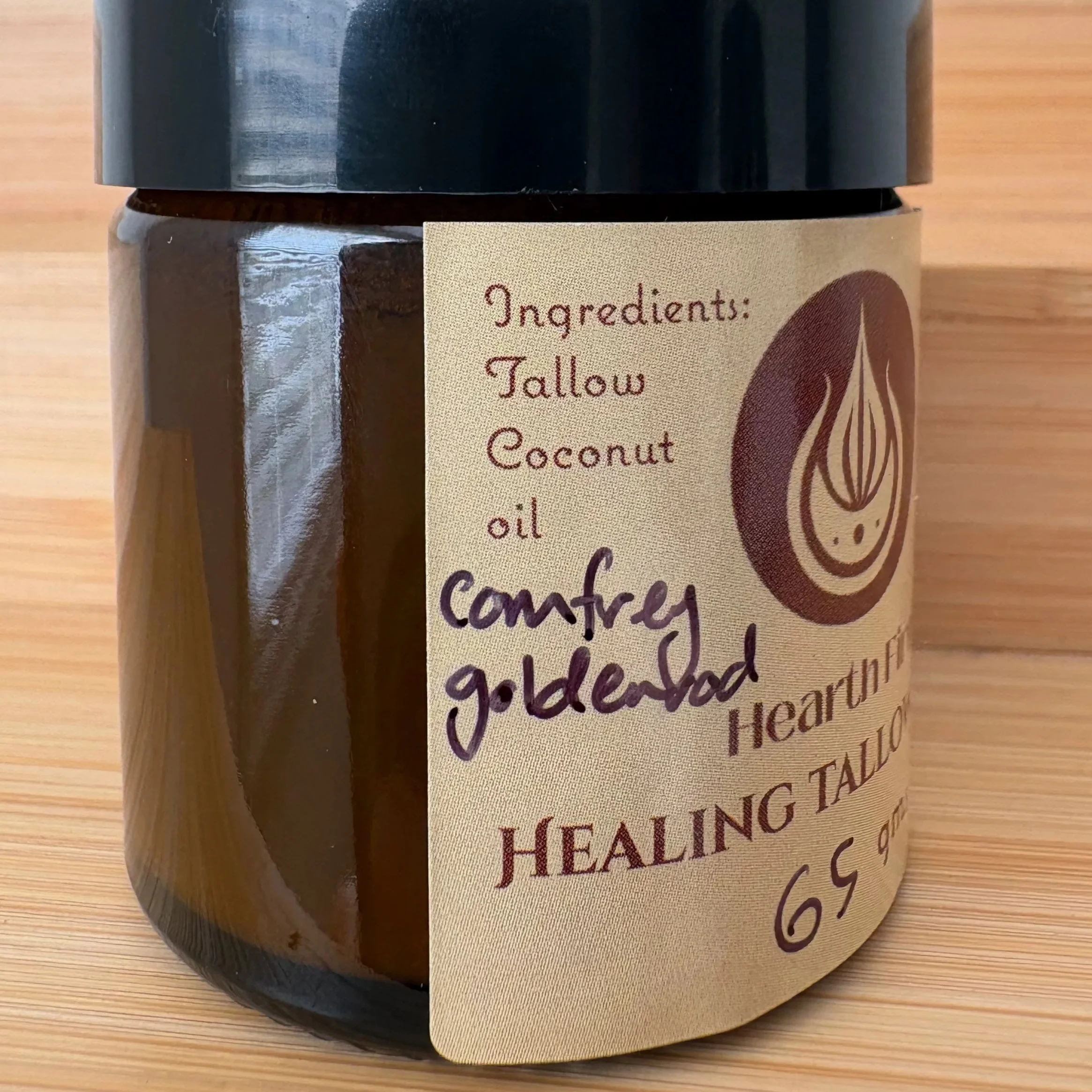
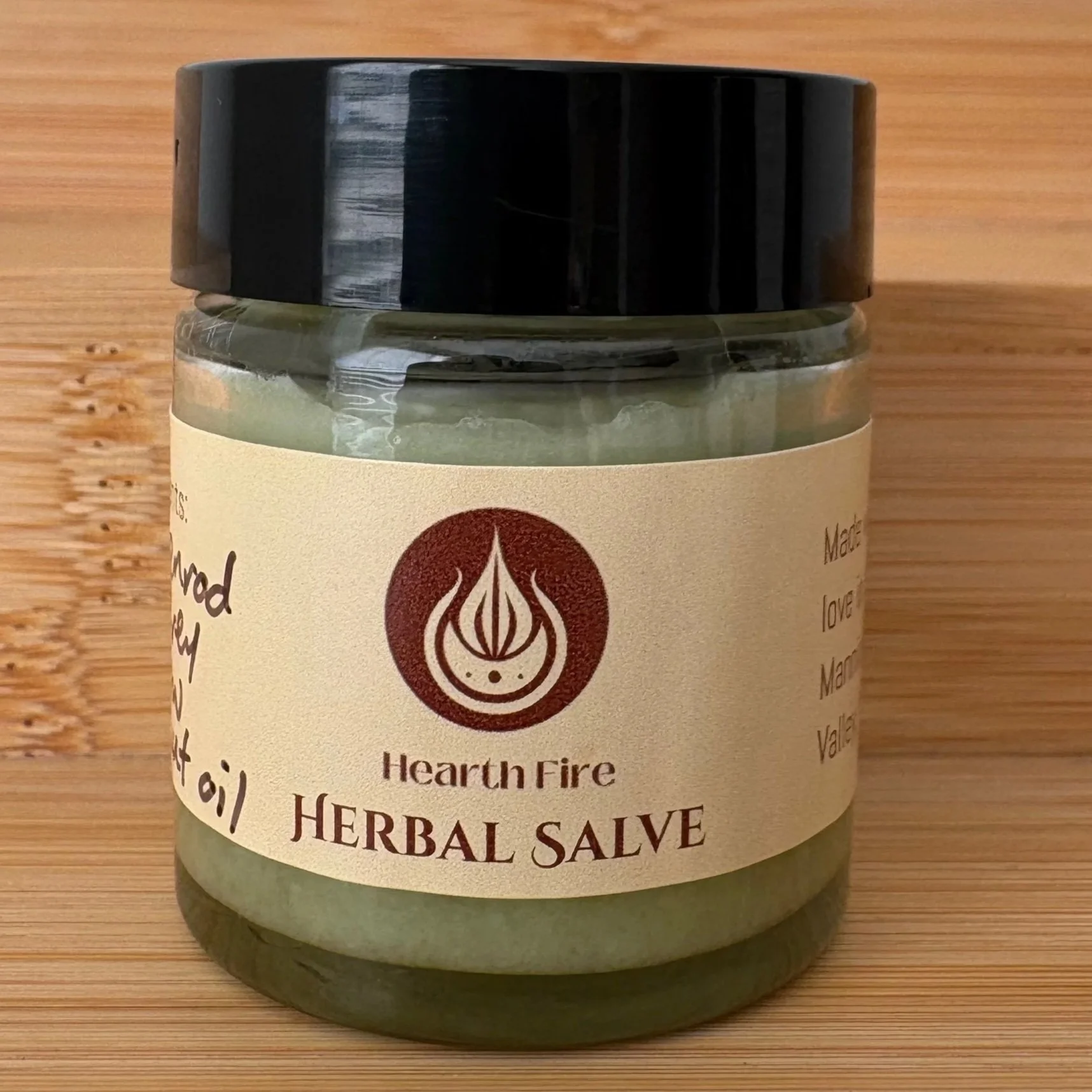
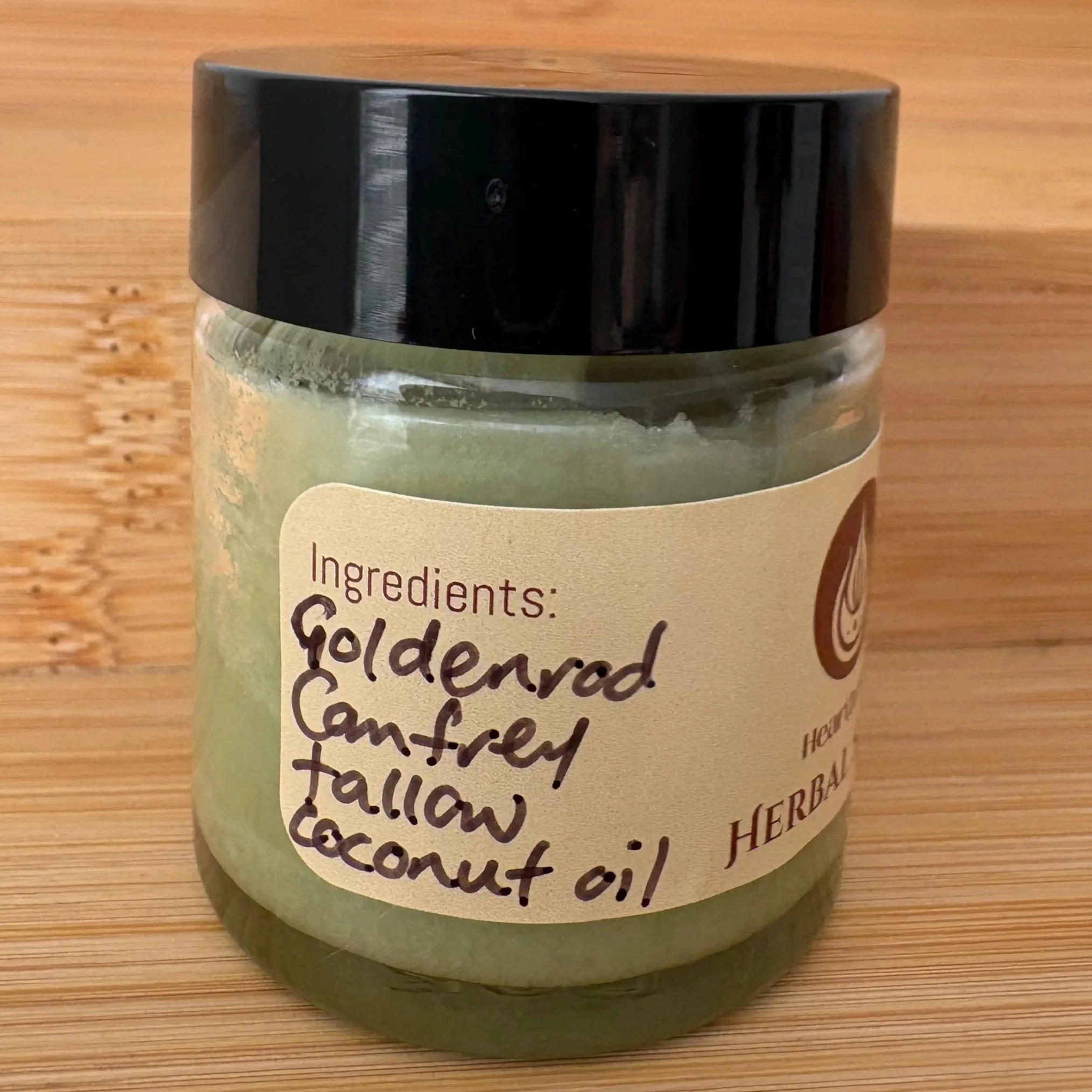
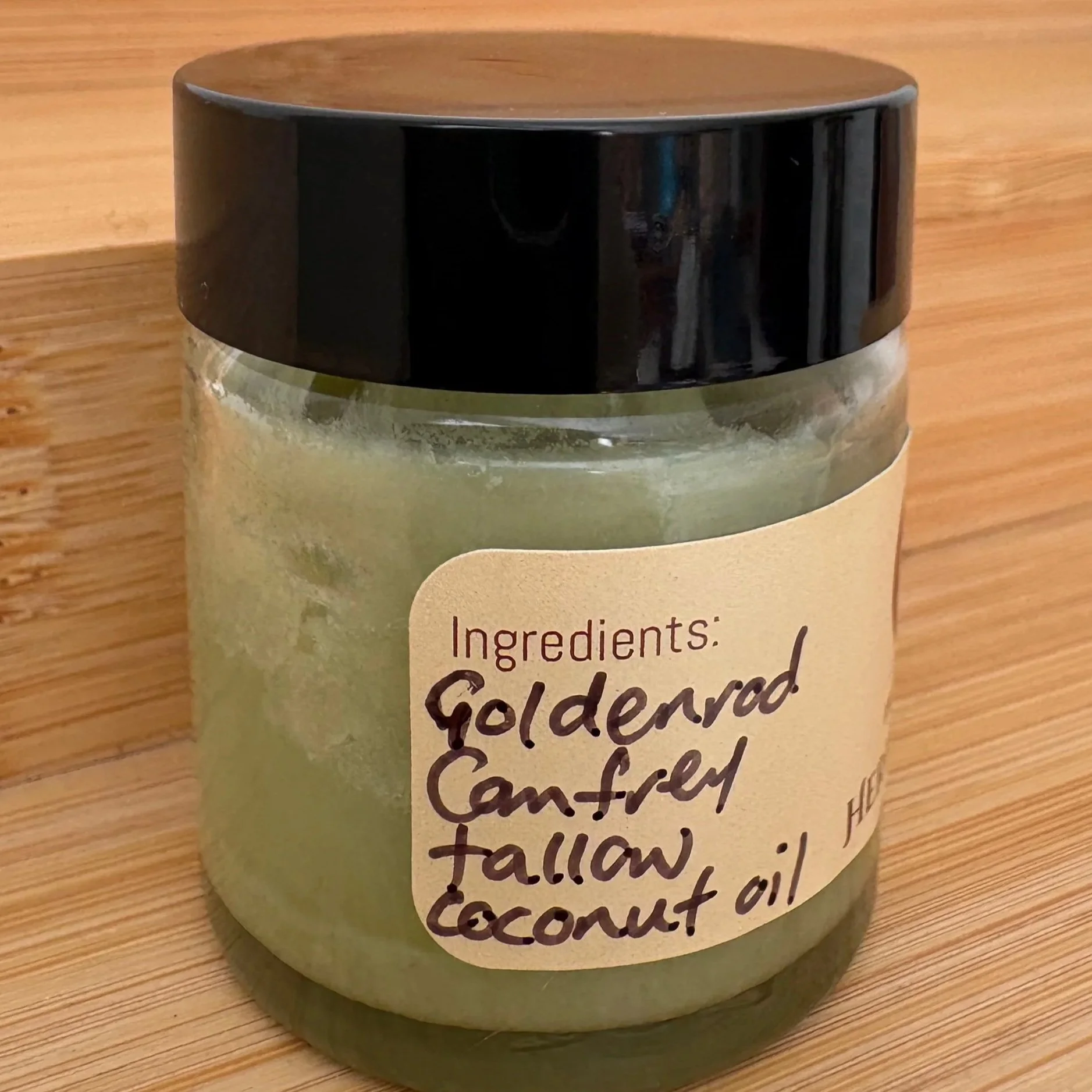
An all-rounder for the herbal first aid kit!
Tallow and Coconut Oil infused with Comfrey (Symphytum officinale) and Goldenrod (Solidago canadensis) to create a powerhouse multi-purpose balm:
Cuts (do not use on deep wounds)
Grazes and scrapes
Sprains and breaks - to assist in recovery
Muscle aches and pains
Itches, bites, allergic topical reactions
Dry skin
Rashes and eczema (not on weeping open sores)
Mild burns and later stage burn scar recovery
Beef tallow — skin benefits and nutrient profile
Nutrient profile: predominantly stearic and palmitic acids and monounsaturated oleic acid; trace fat‑soluble vitamins A, D, E, K ; anti-inflammatory Conjugated Linoleic Acid.
Skin benefits: Rich, occlusive lipid that seals moisture and restores the skin’s barrier; stearic and palmitic acids help create a stable emollient film; oleic acid aids absorption and softening of dry, chapped skin; trace fat‑soluble vitamins can provide antioxidant and regenerative support. Very stable and long‑lasting on skin.
Coconut oil — skin benefits and nutrient profile
Nutrient profile: High in saturated fats consisting largely of medium‑chain triglycerides (mainly lauric acid, plus capric and caprylic acids); low in polyunsaturates and negligible protein or micronutrients.
Skin benefits: Excellent moisturizer that quickly forms a protective layer, reducing transepidermal water loss; lauric acid gives mild antimicrobial and antiseptic properties useful for acne‑prone or mildly irritated skin; light, fast‑absorbing feel compared with many animal fats.
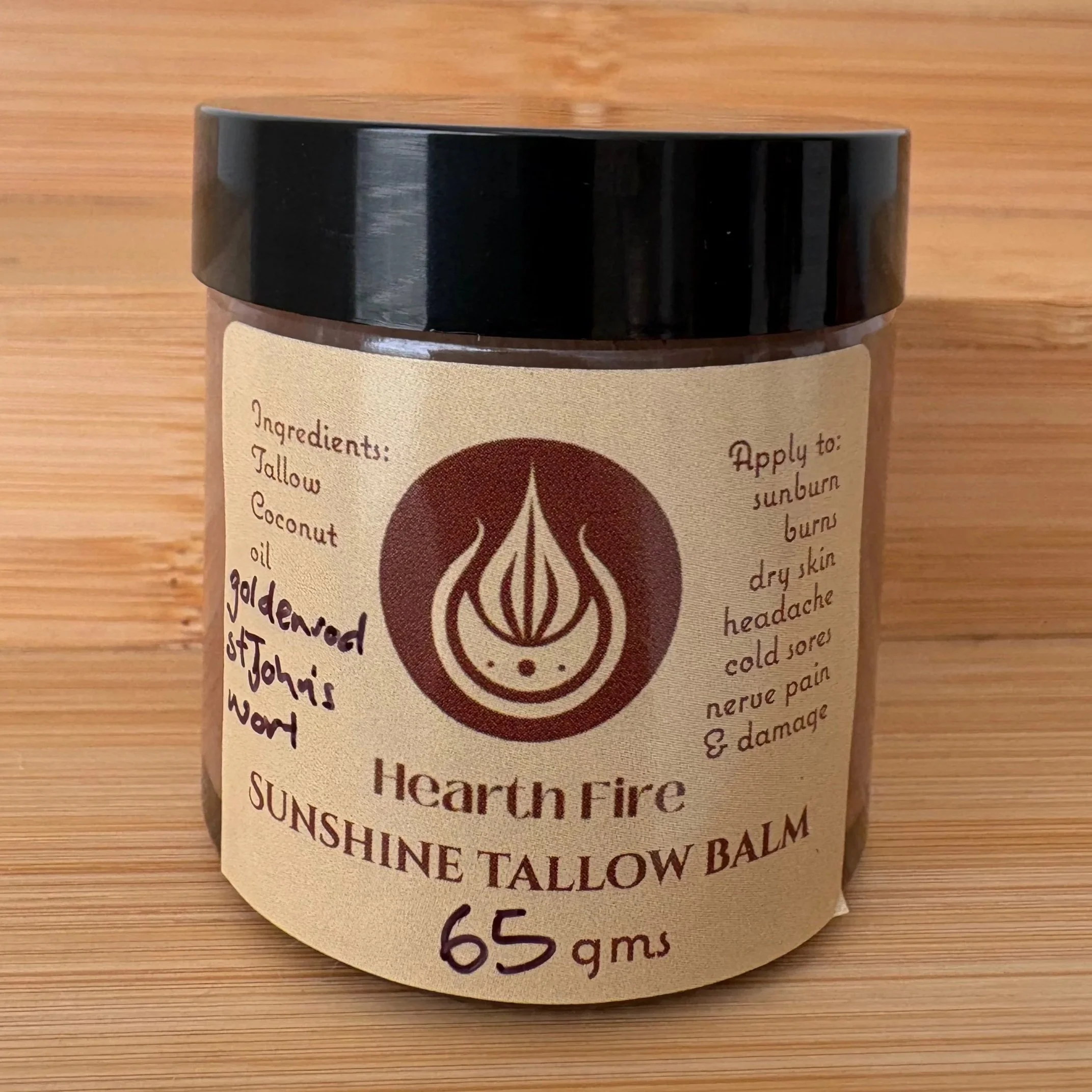
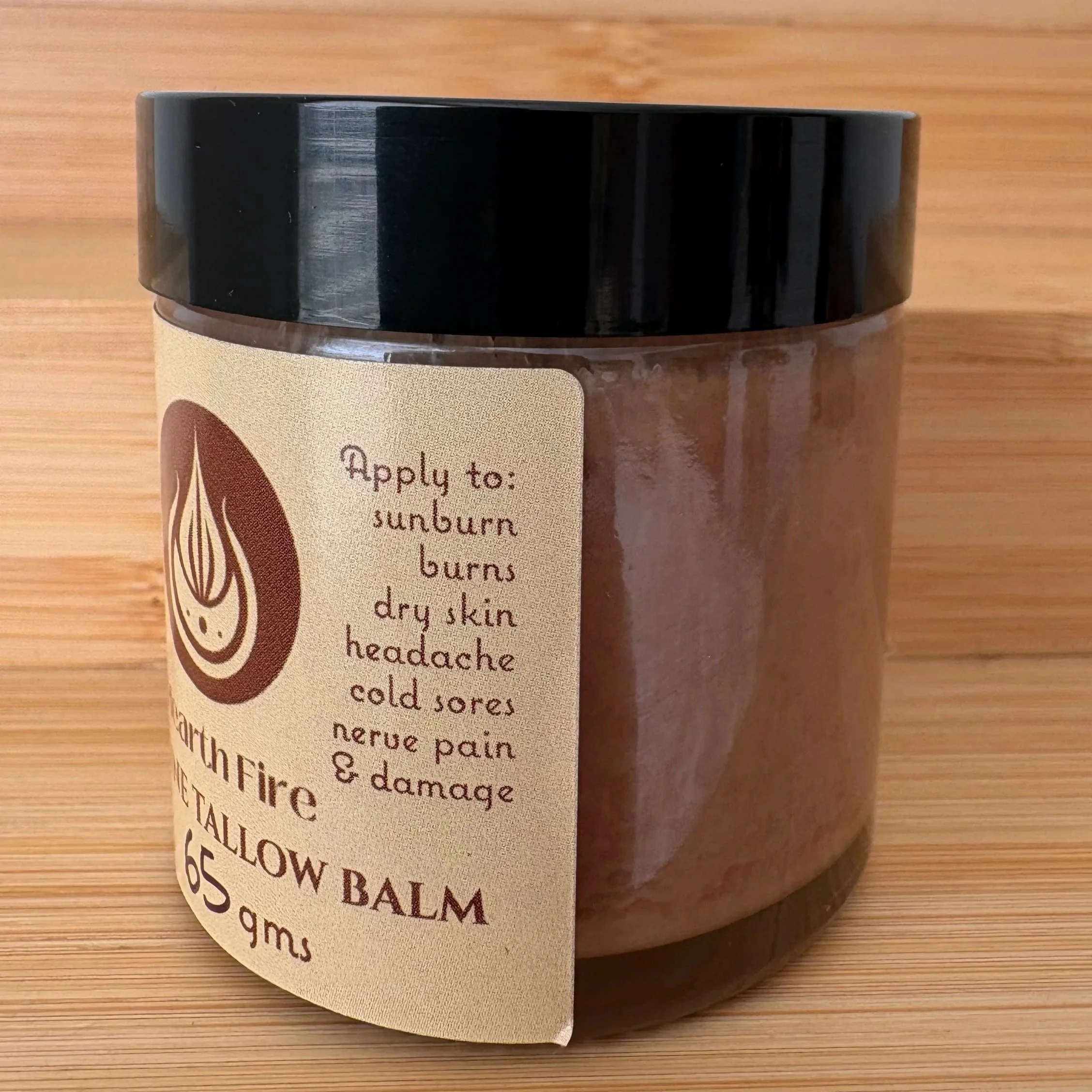
Sunshine in a jar!
Tallow and coconut oil infused with fresh St John’s Wort and Goldenrod to create a subtle beautifully scented tallow balm with the following properties:
Nerve pain and damage
Sunburn and sun damage treatment and prevention
Burns
Tension headache
Coldsores
Muscle pain and aches
Dry skin, rashes, bites
Anti-inflammatory
Beef tallow — skin benefits and nutrient profile
Nutrient profile: predominantly stearic and palmitic acids and monounsaturated oleic acid; trace fat‑soluble vitamins A, D, E, K ; anti-inflammatory Conjugated Linoleic Acid.
Skin benefits: Rich, occlusive lipid that seals moisture and restores the skin’s barrier; stearic and palmitic acids help create a stable emollient film; oleic acid aids absorption and softening of dry, chapped skin; trace fat‑soluble vitamins can provide antioxidant and regenerative support. Very stable and long‑lasting on skin.
Coconut oil — skin benefits and nutrient profile
Nutrient profile: High in saturated fats consisting largely of medium‑chain triglycerides (mainly lauric acid, plus capric and caprylic acids); low in polyunsaturates and negligible protein or micronutrients.
Skin benefits: Excellent moisturizer that quickly forms a protective layer, reducing transepidermal water loss; lauric acid gives mild antimicrobial and antiseptic properties useful for acne‑prone or mildly irritated skin; light, fast‑absorbing feel compared with many animal fats.
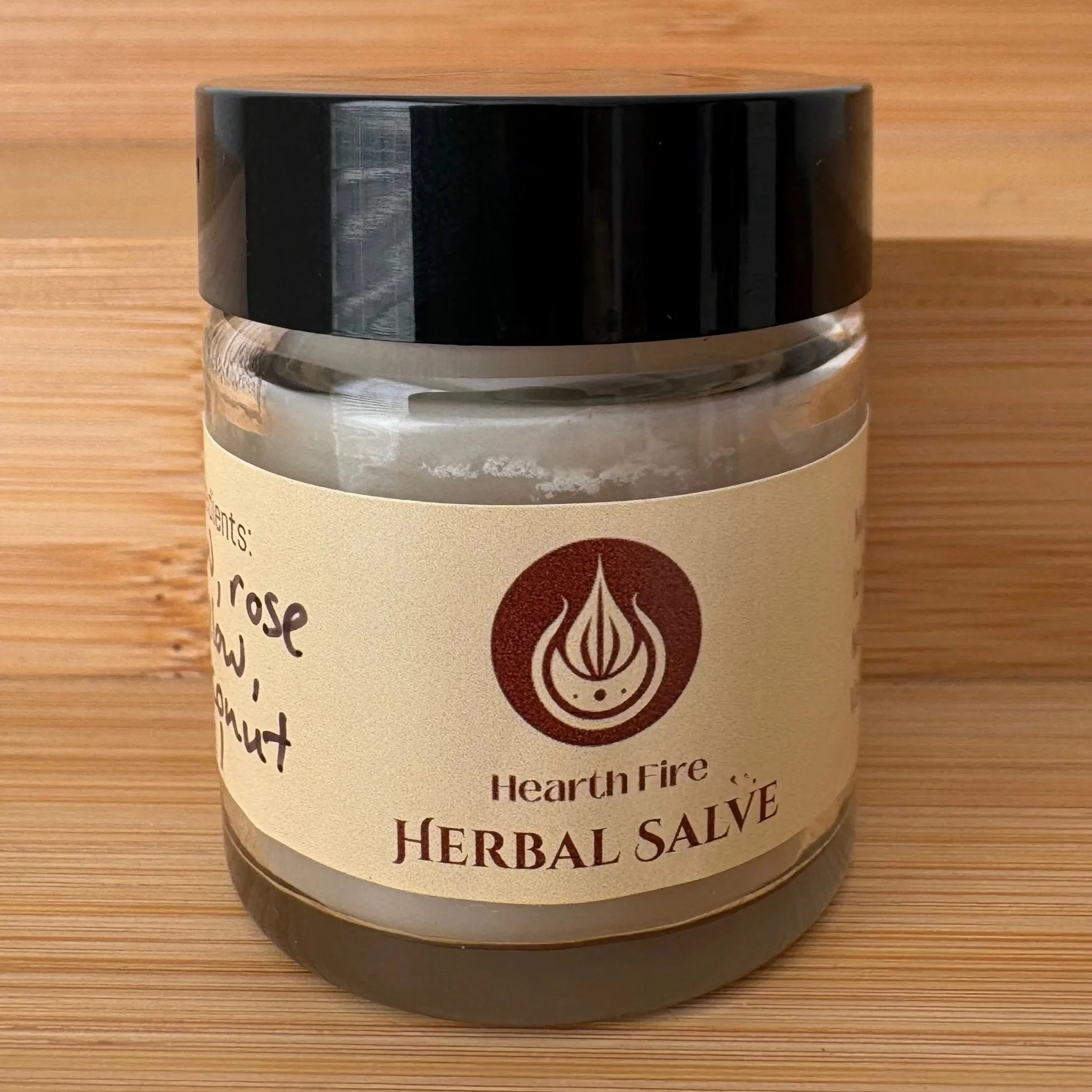
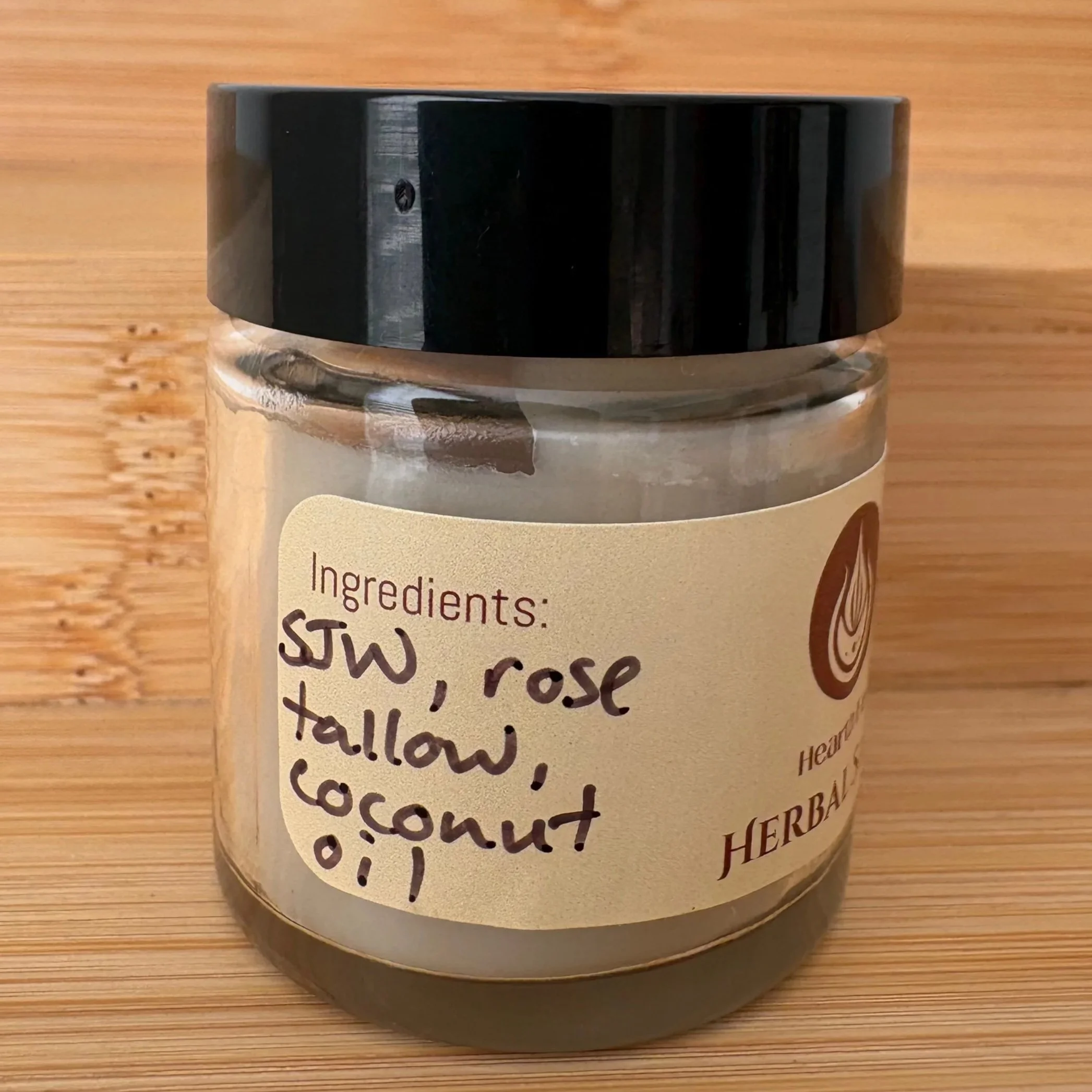
Small 30g size only.
Tallow and coconut oil infused with fresh St John’s Wort and Rose to create a subtle beautifully scented tallow balm with the following properties:
Nerve pain and damage
Sunburn and sun damage treatment and prevention
Burns
Tension headache
Coldsores
Skin toning
Beef tallow — skin benefits and nutrient profile
Nutrient profile: predominantly stearic and palmitic acids and monounsaturated oleic acid; trace fat‑soluble vitamins A, D, E, K ; anti-inflammatory Conjugated Linoleic Acid.
Skin benefits: Rich, occlusive lipid that seals moisture and restores the skin’s barrier; stearic and palmitic acids help create a stable emollient film; oleic acid aids absorption and softening of dry, chapped skin; trace fat‑soluble vitamins can provide antioxidant and regenerative support. Very stable and long‑lasting on skin.
Coconut oil — skin benefits and nutrient profile
Nutrient profile: High in saturated fats consisting largely of medium‑chain triglycerides (mainly lauric acid, plus capric and caprylic acids); low in polyunsaturates and negligible protein or micronutrients.
Skin benefits: Excellent moisturizer that quickly forms a protective layer, reducing transepidermal water loss; lauric acid gives mild antimicrobial and antiseptic properties useful for acne‑prone or mildly irritated skin; light, fast‑absorbing feel compared with many animal fats.
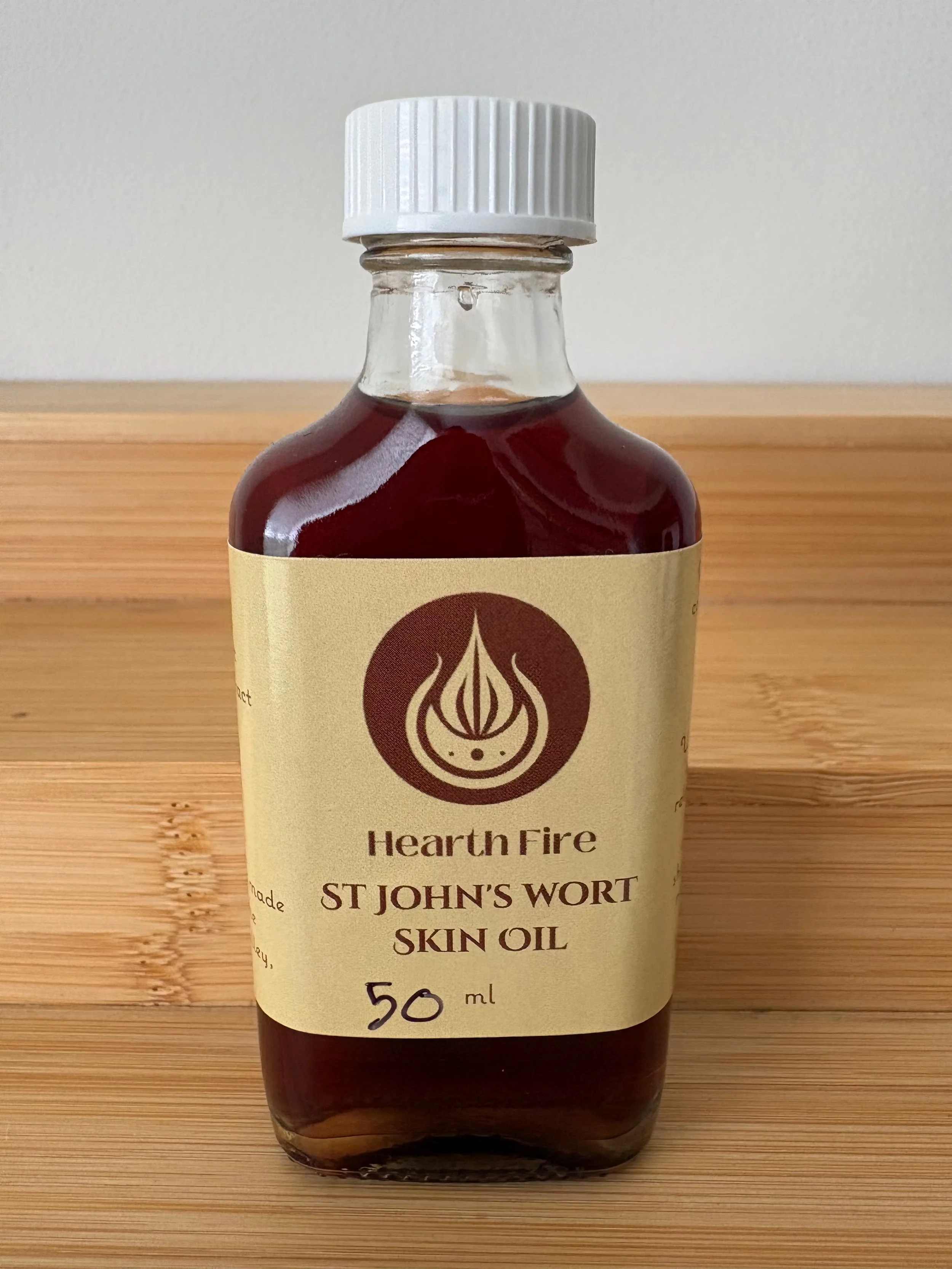
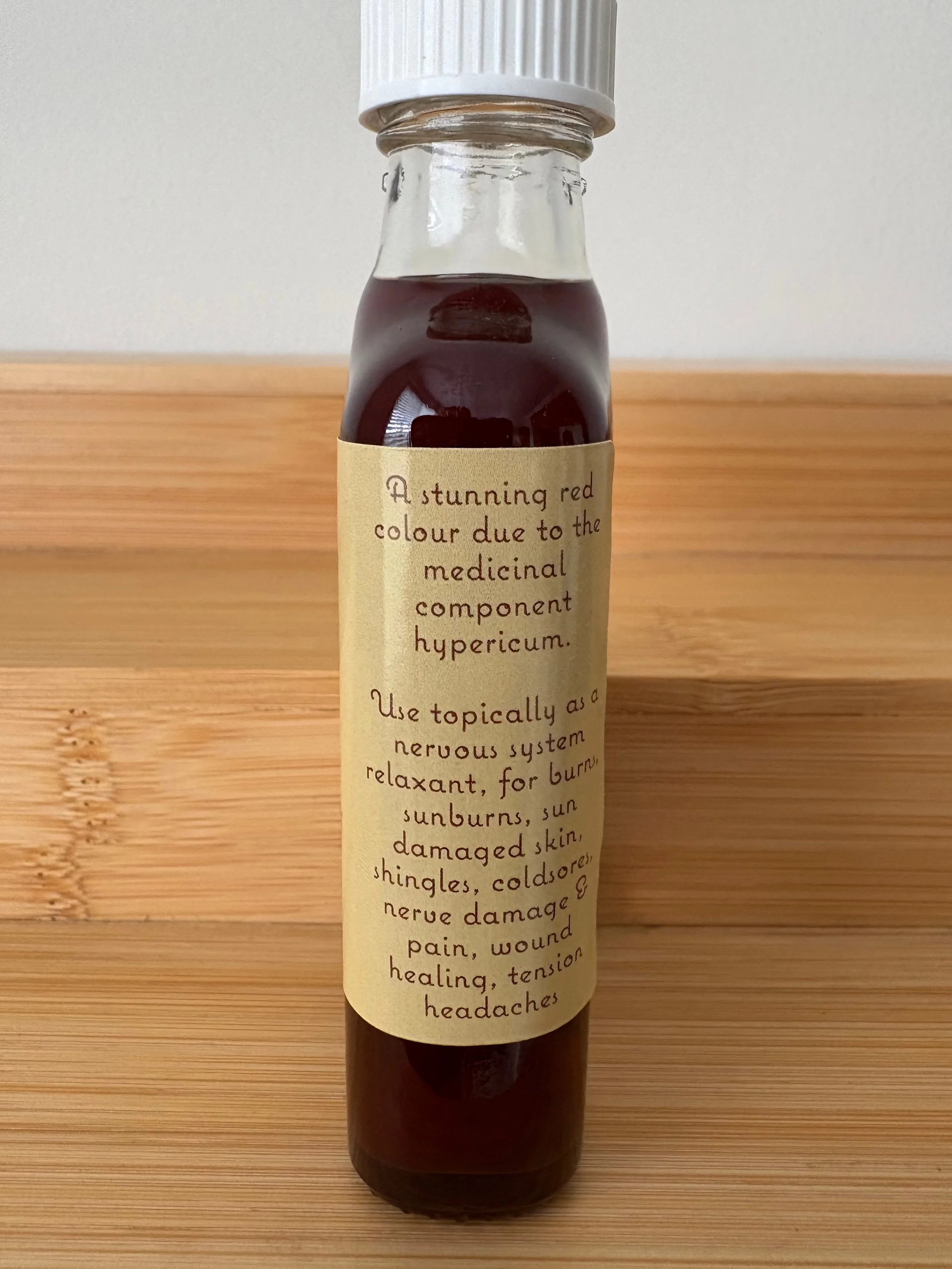
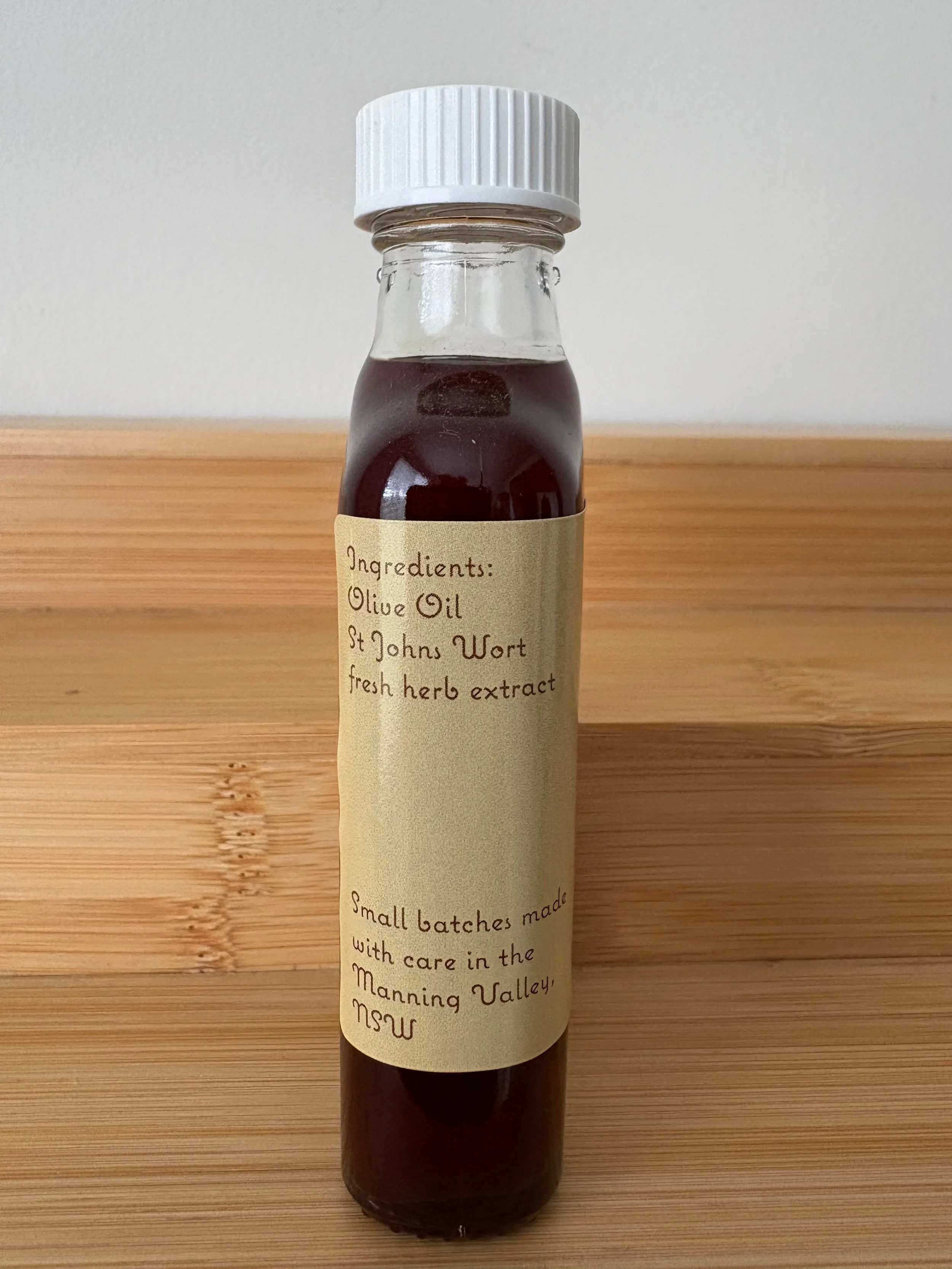
Olive oil infused with fresh St John’s Wort otherwise known as Hypericum or St. John’s wort oil, made by infusing fresh flowering tops of Hypericum perforatum to create a subtle beautifully scented massage oil with the following properties:
Anti-inflammatory: Reduces inflammation in skin and soft tissues, helpful for minor burns, sunburn, insect bites, and irritated skin.
Analgesic (pain-relieving): Eases nerve and musculoskeletal pain; often used for sprains, strains, and neuralgic pain such as sciatica or neuralgia.
Wound‑healing and tissue repair: Promotes healing of minor cuts, abrasions, and superficial wounds; supports tissue regeneration and can reduce scarring.
Antimicrobial: Exhibits mild antibacterial and antiviral activity against certain pathogens, which supports its use on minor skin infections.
Nervine and topical calming: On topical application, it soothes and calms irritated skin and the nervous system locally, which is why it’s used for bruises and nerve injuries.
Especially indicated for:
Nerve pain and damage
Sunburn and sun damage treatment and prevention
Burns
Tension headache
Coldsores
Muscle pain and aches
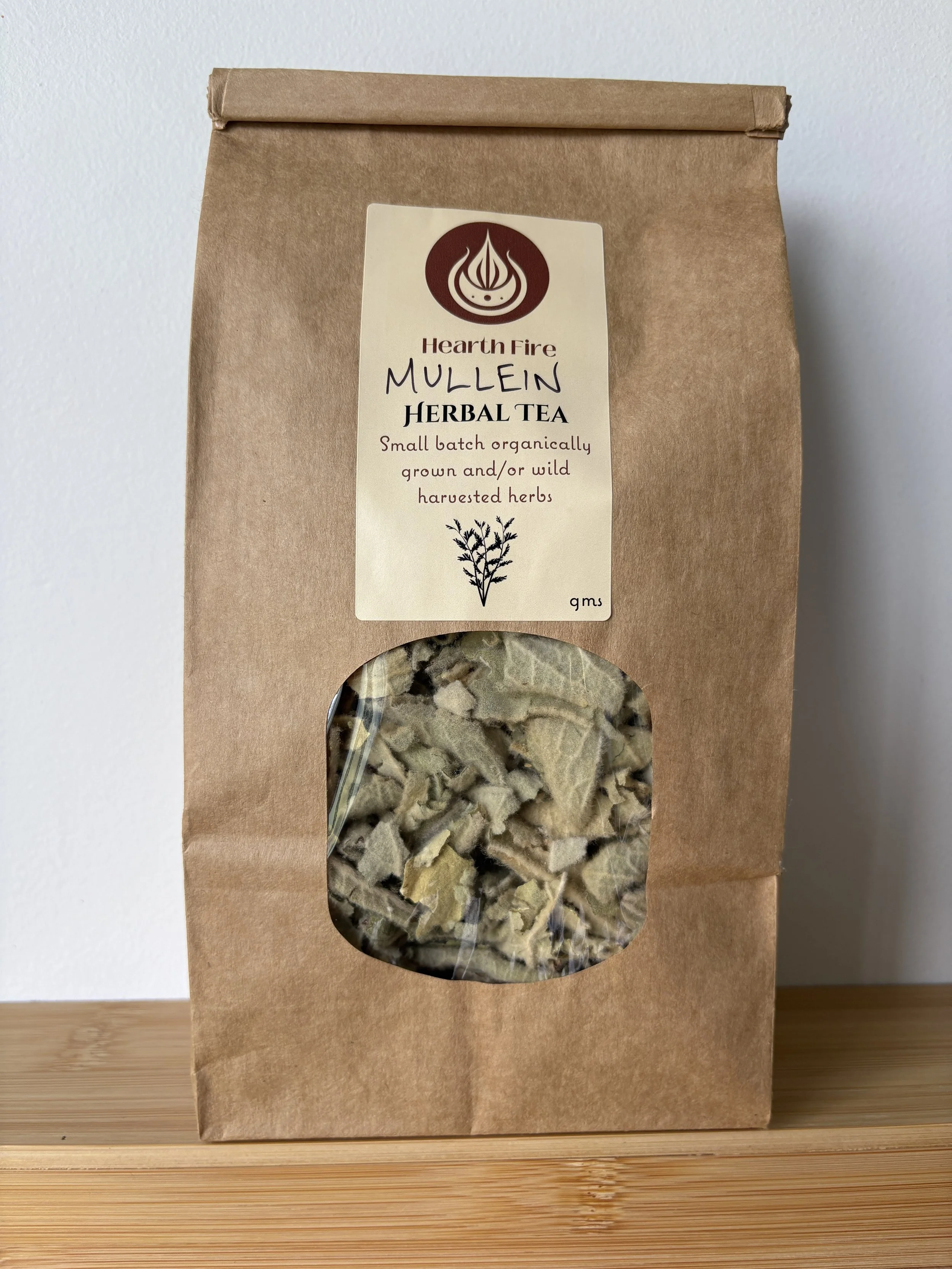
Mullein (Verbascum thaspus) Tea - A warm cup of love for your lungs
Mullein is the perfect herb for easing those persistent coughs. Or for taking as a preventative during a cold and flu if you are susceptible to lung infections. I once had a niggling and annoying cough for months after a cold. After 2-3days of mullein tea, it was completely gone.
Mullein tea benefits
Eases coughs and soothes irritated throats
Helps loosen mucus and clear chest congestion
Gentle anti-inflammatory for respiratory passages
May relieve mild asthma and bronchial spasms
Use: steep a small handful dried mullein leaves or flowers 10–15 minutes. Strain well and drink.
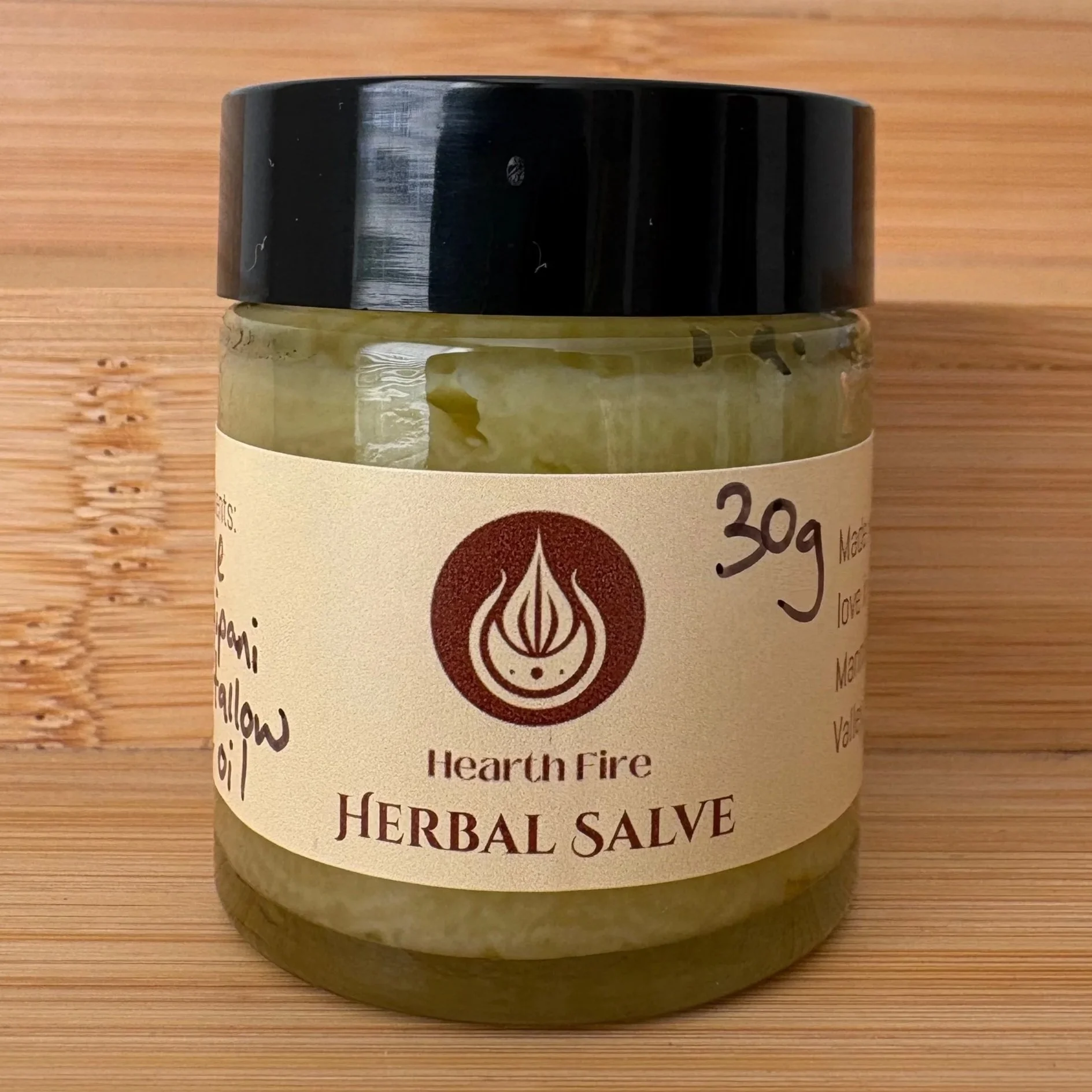
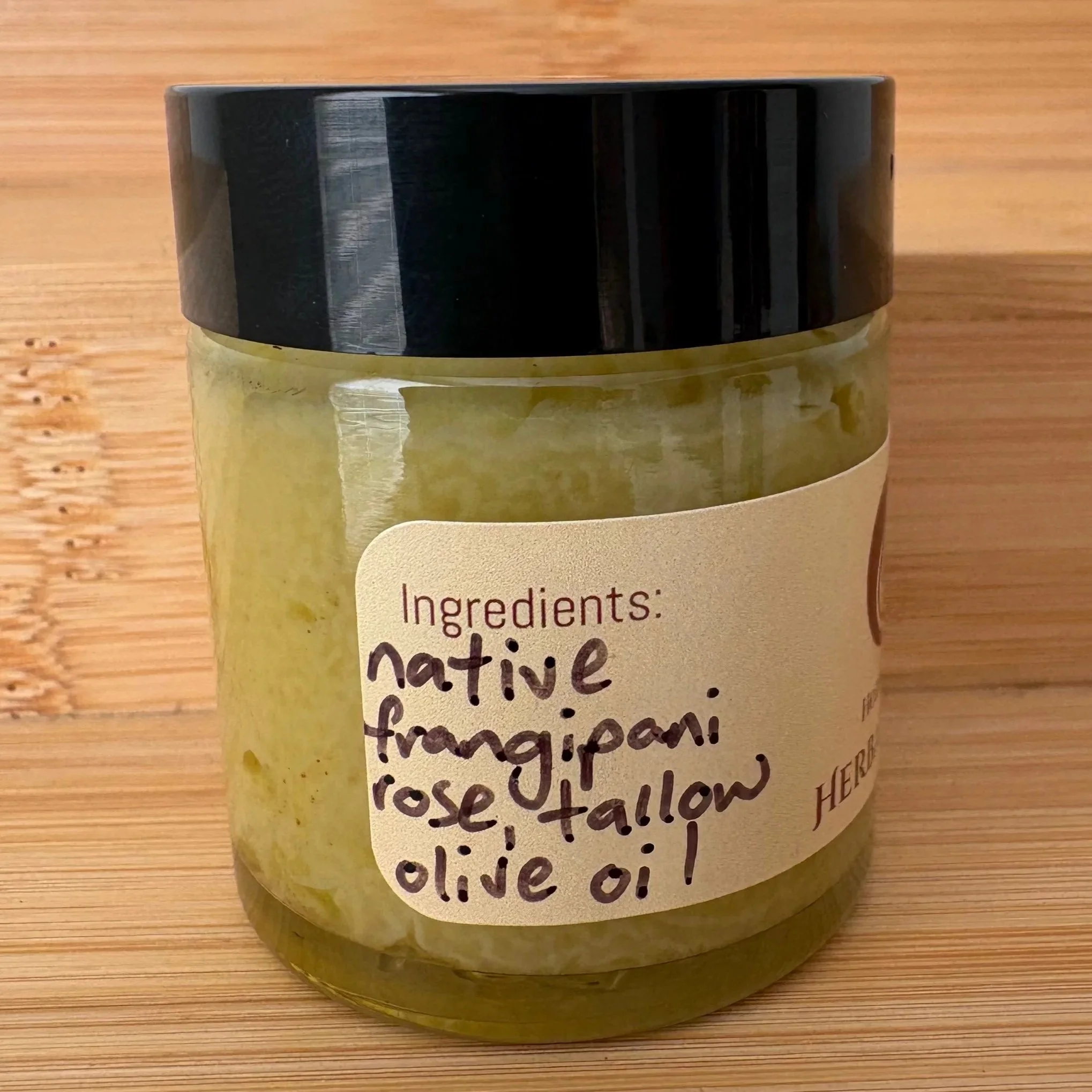
Native Frangipani and Rose Tallow Enfleurage Balm Small 30g size only.
Tallow and coconut oil infused with fresh Native Frangipani and Rose to create a subtle beautifully scented enfleurage tallow balm.
Enfleurage is an old, gentle way to capture a flower’s fragrance using rendered beef fat (tallow) instead of alcohol or steam. This method produces a richly scented fat that carries the true aroma of fresh flowers, useful for traditional perfumery and aromatic salves.
Beef tallow — skin benefits and nutrient profile
Nutrient profile: predominantly stearic and palmitic acids and monounsaturated oleic acid; trace fat‑soluble vitamins A, D, E, K ; anti-inflammatory Conjugated Linoleic Acid.
Skin benefits: Rich, occlusive lipid that seals moisture and restores the skin’s barrier; stearic and palmitic acids help create a stable emollient film; oleic acid aids absorption and softening of dry, chapped skin; trace fat‑soluble vitamins can provide antioxidant and regenerative support. Very stable and long‑lasting on skin.
Coconut oil — skin benefits and nutrient profile
Nutrient profile: High in saturated fats consisting largely of medium‑chain triglycerides (mainly lauric acid, plus capric and caprylic acids); low in polyunsaturates and negligible protein or micronutrients.
Skin benefits: Excellent moisturizer that quickly forms a protective layer, reducing transepidermal water loss; lauric acid gives mild antimicrobial and antiseptic properties useful for acne‑prone or mildly irritated skin; light, fast‑absorbing feel compared with many animal fats.
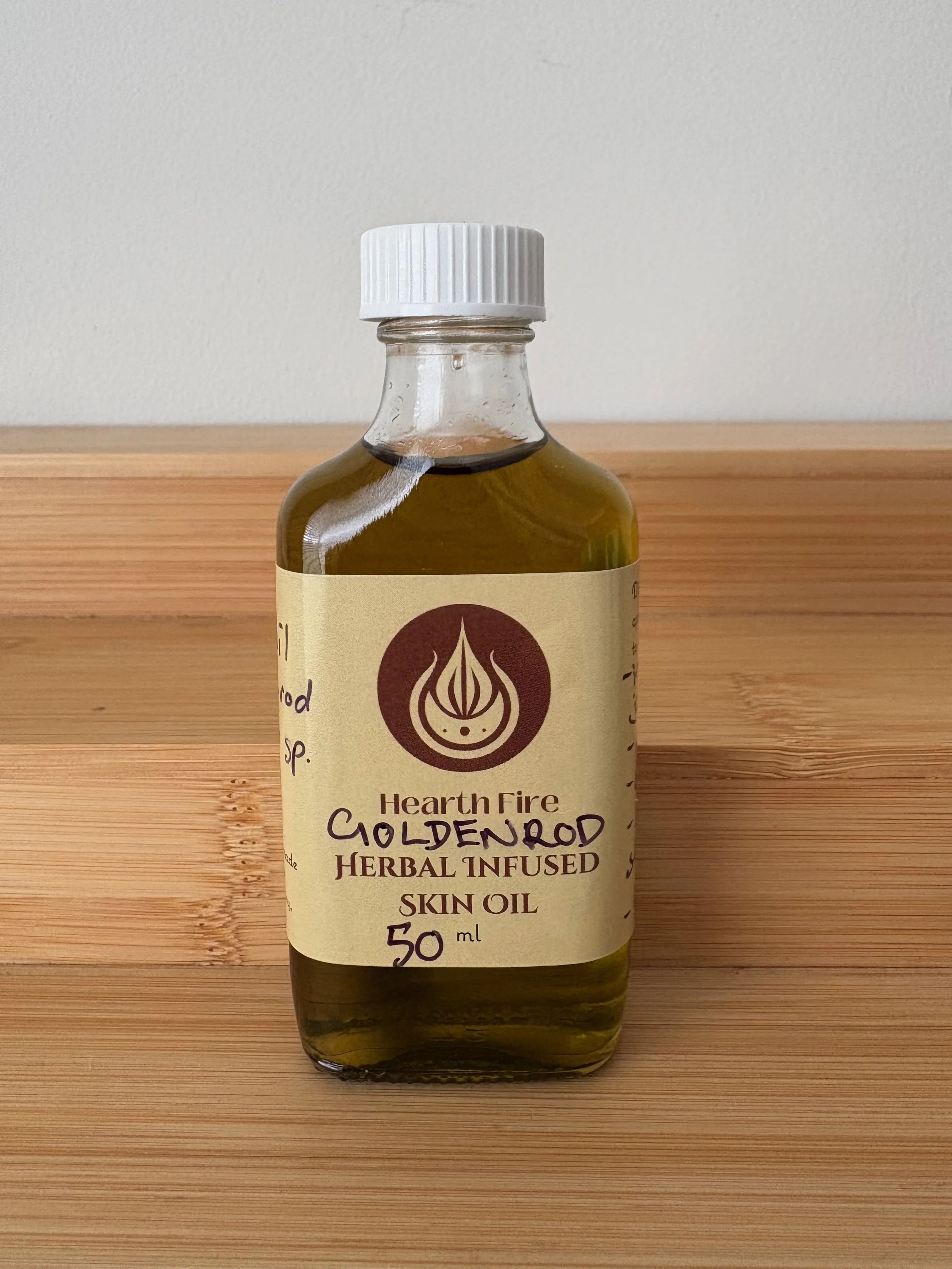
Olive oil infused with fresh Goldenrod, made by infusing fresh flowering tops of Solidago canadensis to create a subtle beautifully scented massage oil with the following properties:
Anti-inflammatory: Helps soothe inflamed joints and muscles
Soothes bites, stings, rashes and other allergic skin conditions due to being high in quercetin a natural antihistamine-like compound
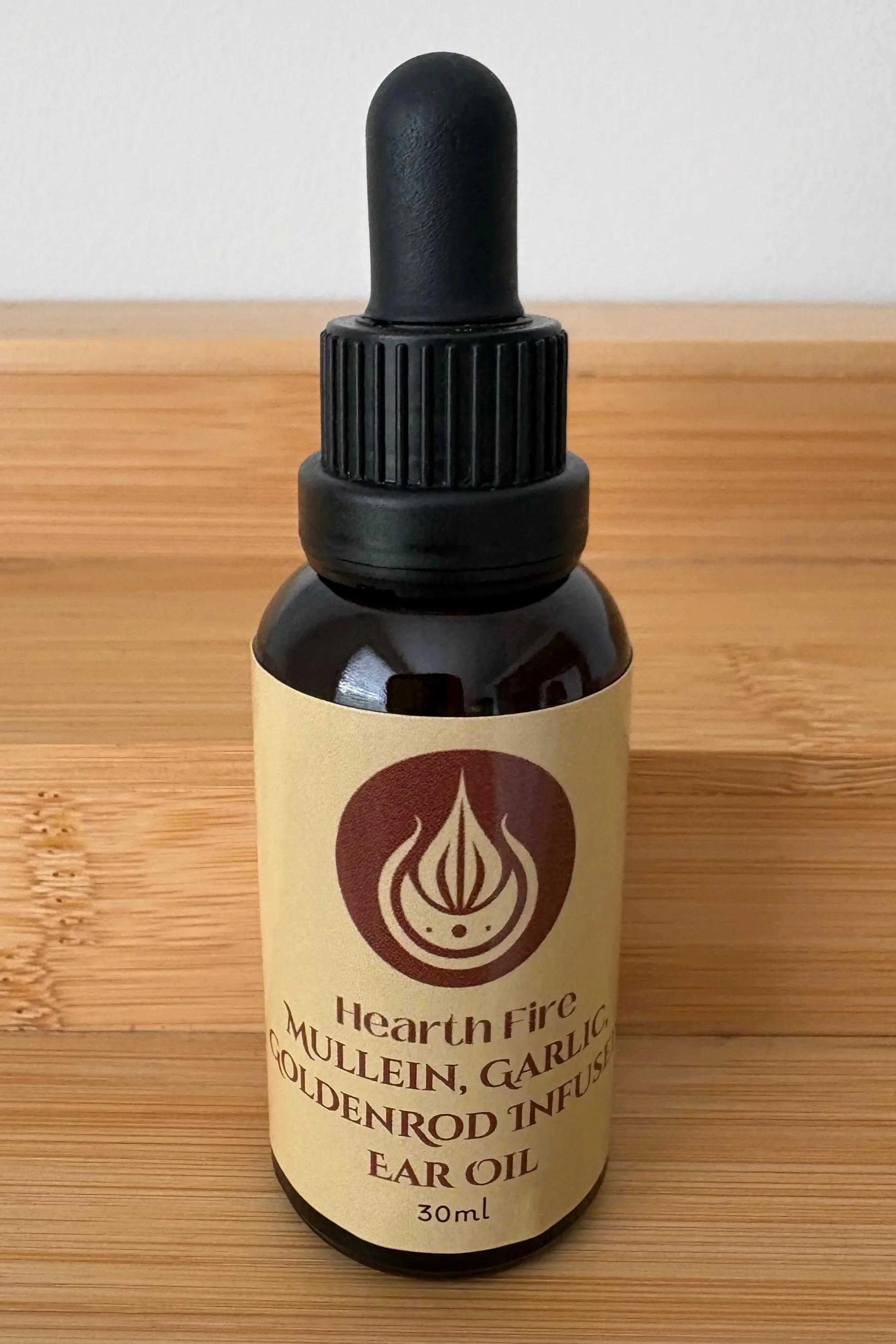
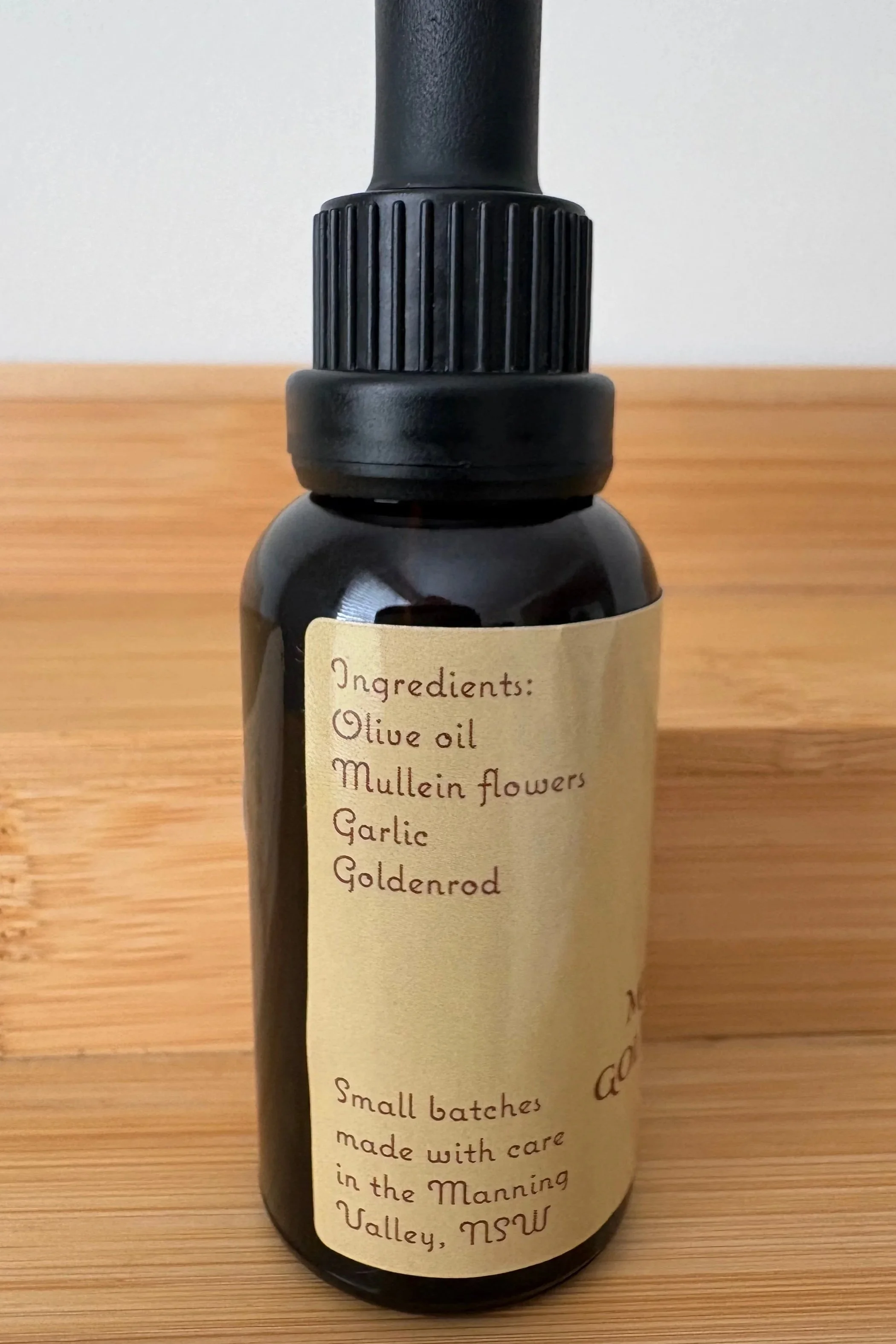
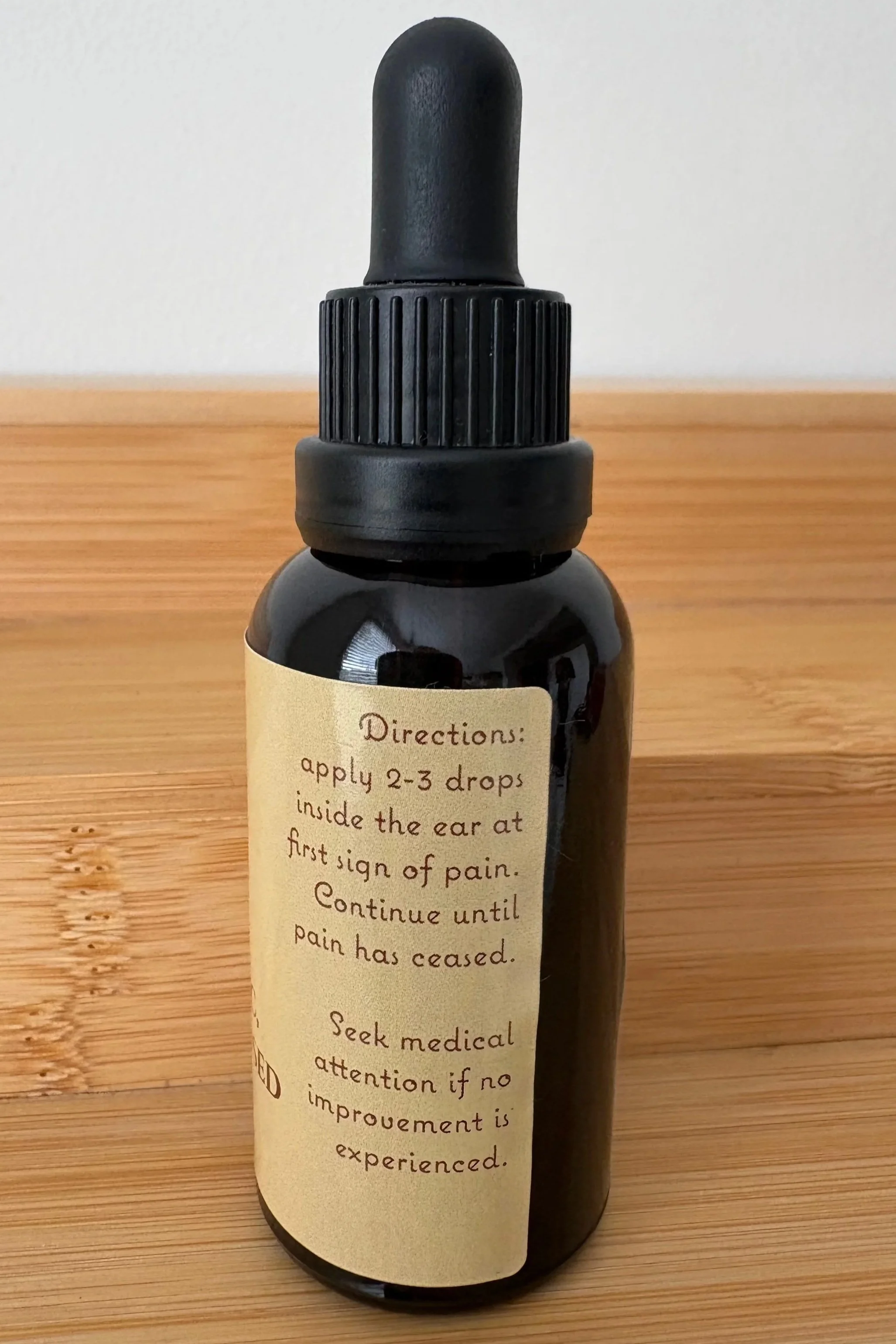
Garlic, Mullein and Goldenrod Ear Oil - a classic for the family herbal first aid kit. Made by infusing fresh, organically grown garlic, foraged mullein (Verbascum thaspus) & Goldenrod (Solidago canadensis) flowers into Australian olive oil to make an anti-microbial, anti-inflammatory soothing ear oil.
Use a few drops in the the ear at the onset of ear pain or as a preventative during colds and flus if there is a susceptibility to ear infections. Place a warm compress over ear while drops settle in ear for 3-5 minutes.
I have personally used this ear oil successfully a number of times to prevent the worsening of an ear infection. However:
The information and products from Hearthfire are not a substitute for professional medical advice, diagnosis, or treatment. If symptoms persist, worsen, or you have concerns about your health, please consult a qualified healthcare provider. If you experience a medical emergency, seek immediate medical attention.
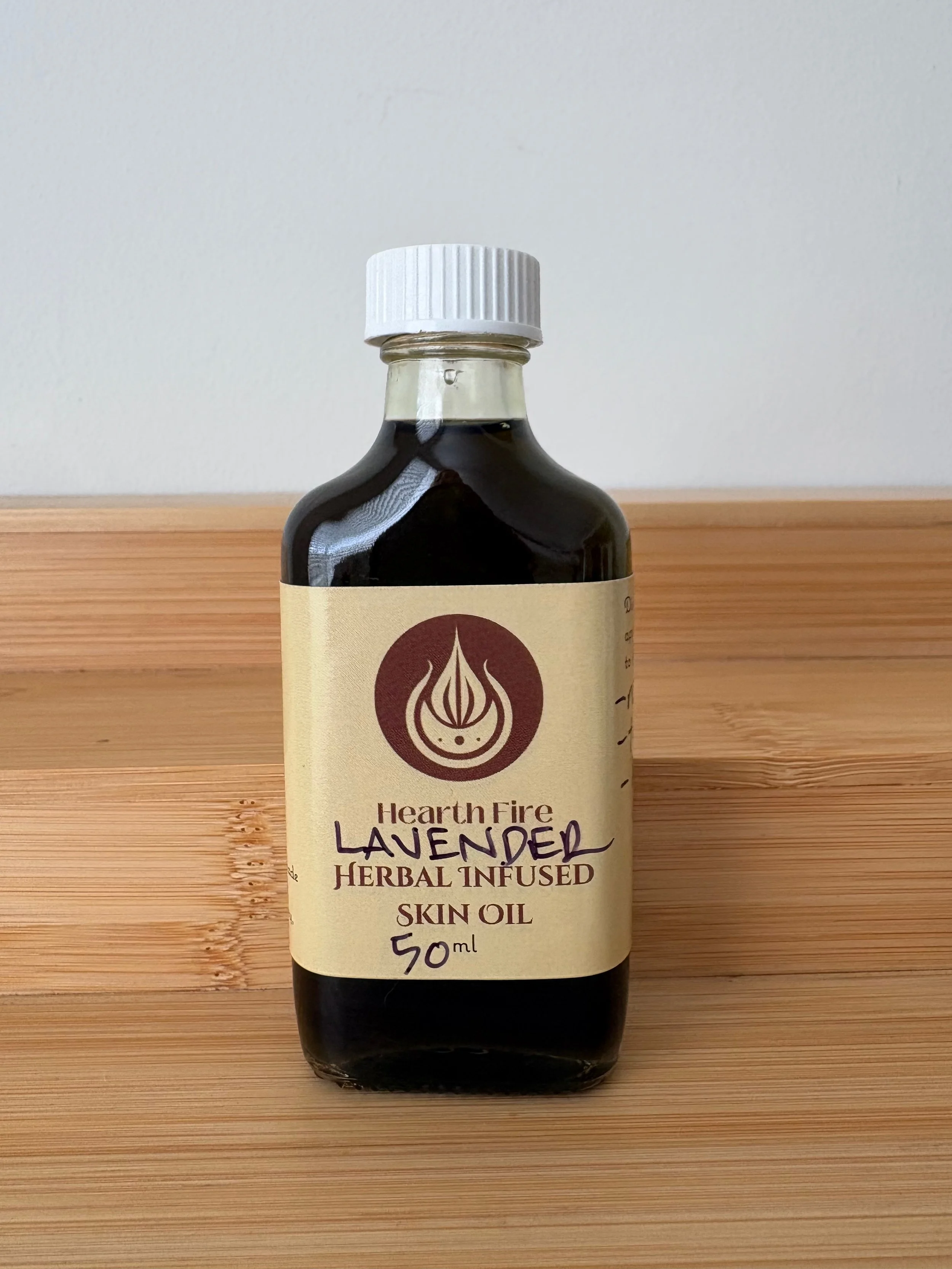
Lavender infused olive oil is a wonderful family friendly multipurpose massage oil. Whole herb infused oils differ to diluted essential oils by offering a broader range of plant compounds, creating a gentler oil for whole body massage suited to infants and children as well as adults.
Medicinal qualities
Calming and nervine support. Topical application to temples, the chest, or feet can promote relaxation, reduce nervous tension, and support sleep when used as part of a bedtime ritual.
Mild analgesic and anti-inflammatory: It can help soothe sore muscles, tension headaches, and minor joint aches when used in massage. The oil reduces discomfort from mild inflammation and muscle tension.
Antiseptic and wound-soothing: Lavender has gentle antiseptic and antimicrobial activity. Applied to minor cuts, scrapes, insect bites, and burns, it helps keep the area clean and supports healing while reducing inflammation and itching.
Skin-nourishing and balancing: The infused oil is emollient and supportive for dry, sensitive, or irritated skin. It can help calm dermatitis, reduce redness, and support the skin barrier without being overly greasy.
Useful for insect bites, mild rashes, or contact irritation — it soothes itching and reduces reactive scratching.
Respiratory comfort: Used in chest rubs or inhalation blends, lavender oil can ease mild upper respiratory irritation and promote clearer breathing through calming expectorant and mucous-modulating effects.
Headache relief and tension release: Combined with gentle massage, lavender oil helps relieve tension-type headaches and muscle tightness in the neck and shoulders.
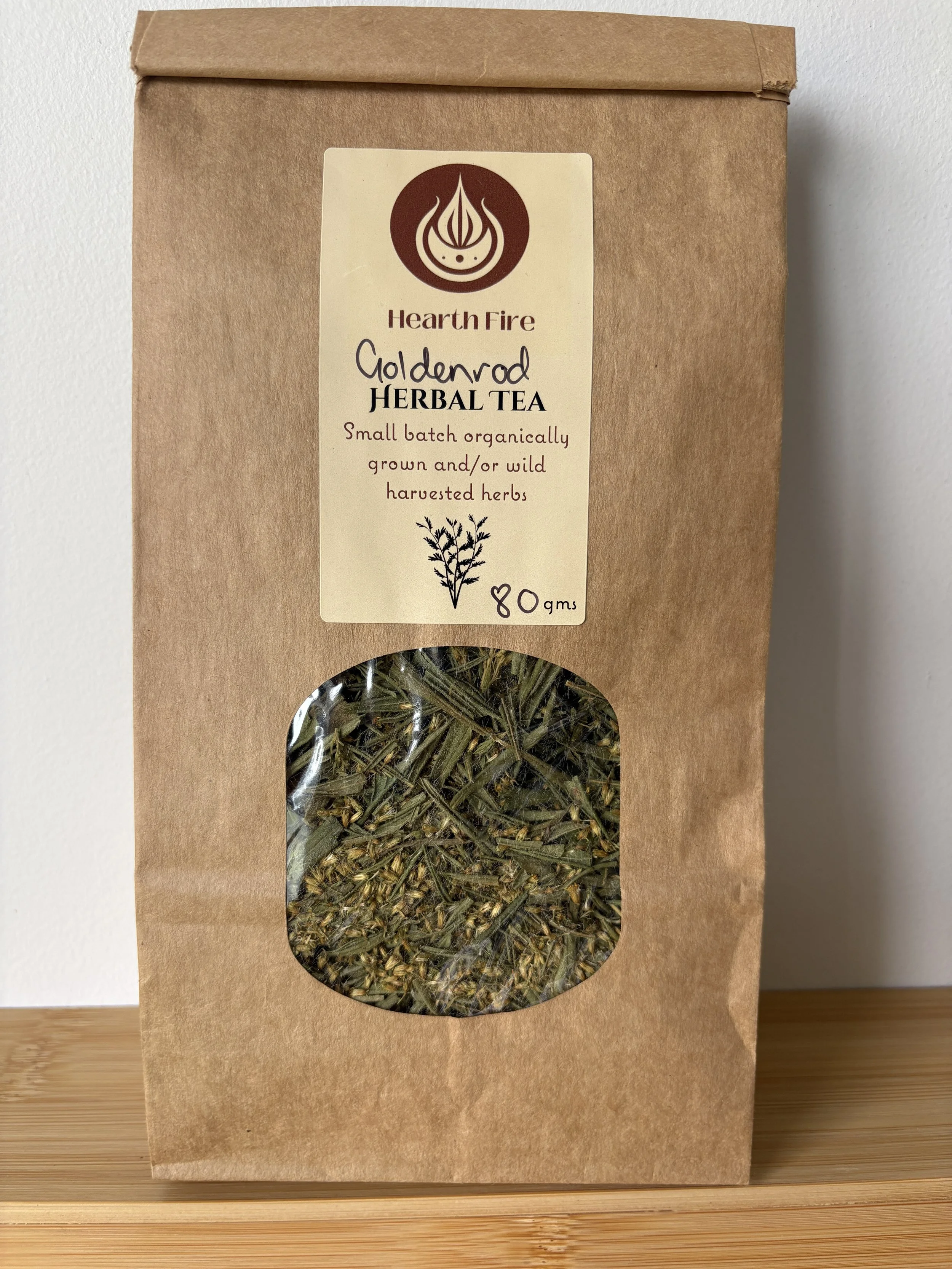
Goldenrod (Solidago canadensis) Tea. The tea with many benefits!
It’s not an understatement to call this tea a multi-purpose all-rounder! There's so many reasons to have this tea on hand for everyday health support or to specifically target an ailment. An anti-inflammatory, anti-oxidants, tannins, astringent, high in quercetin.
A gentle, warming herbal infusion made from the flowering tops and leaves. I harvest during the flower budding stage for optimal potency. With a long history of use for several medicinal purposes. Below is a summary of its traditional and supported uses, preparation, dosage for home use.
Medicinal uses
Urinary tract support: Goldenrod is commonly used as a mild diuretic and to support overall urinary tract health. It can help increase urine flow and reduce water retention, making it useful for early stage uti, mild bladder irritation and periodic cystitis.
Anti-inflammatory and soothing: Constituents like saponins and flavonoids give goldenrod anti-inflammatory properties. Tea can be soothing for inflammatory conditions like long term chronic infections, joint and muscular pain.
Respiratory support: A drying herb traditionally used for colds, bronchitis, and hay fever, goldenrod tea is considered to help ease mucus congestion and soothe irritated airways. It’s often combined with other expectorant herbs.
Wound care and topical uses: Te can be cooled and used as a compress or wash for minor skin irritation and mild wounds due to its astringent and anti-inflammatory qualities.
Antioxidant activity and allergy support: Goldenrod contains flavonoids and phenolic compounds like quercetin and rutin, that act as antioxidants, supporting general cellular health.
I believe the tannins may also help with digestive health by tightening the junctions of the gut lining
Preparing goldenrod tea
Fresh plant: Use flowering tops and upper leaves.
Dried plant: Use flowering tops, stems and leaves dried in a cool, dark place.
Typical infusion: 1 tablespoon fresh) per cup of just-boiled water. Steep covered for 10–15 minutes, strain, and drink warm.
Decoction (for stronger extract, topical use, or when using tougher stalks): Simmer 1–2 tablespoons dried herb in 2 cups water for 10–15 minutes, cool, strain.
Dosage and frequency
Adult dosage: 1 cup (250 ml) up to 3 times daily as a supportive tonic or diuretic. Water down for children and add honey if needed
Precautions and interactions
Kidney conditions: Because goldenrod has diuretic properties, people with severe kidney disease or those taking strong diuretics should consult a health professional before use.
Pregnancy and breastfeeding: Limited safety data — avoid or consult a qualified practitioner before using during pregnancy or breastfeeding.
Blood-thinning medications: Goldenrod contains vitamin K and other compounds; if you take anticoagulants (like warfarin), check with your prescriber before regular strong brew or extract use.
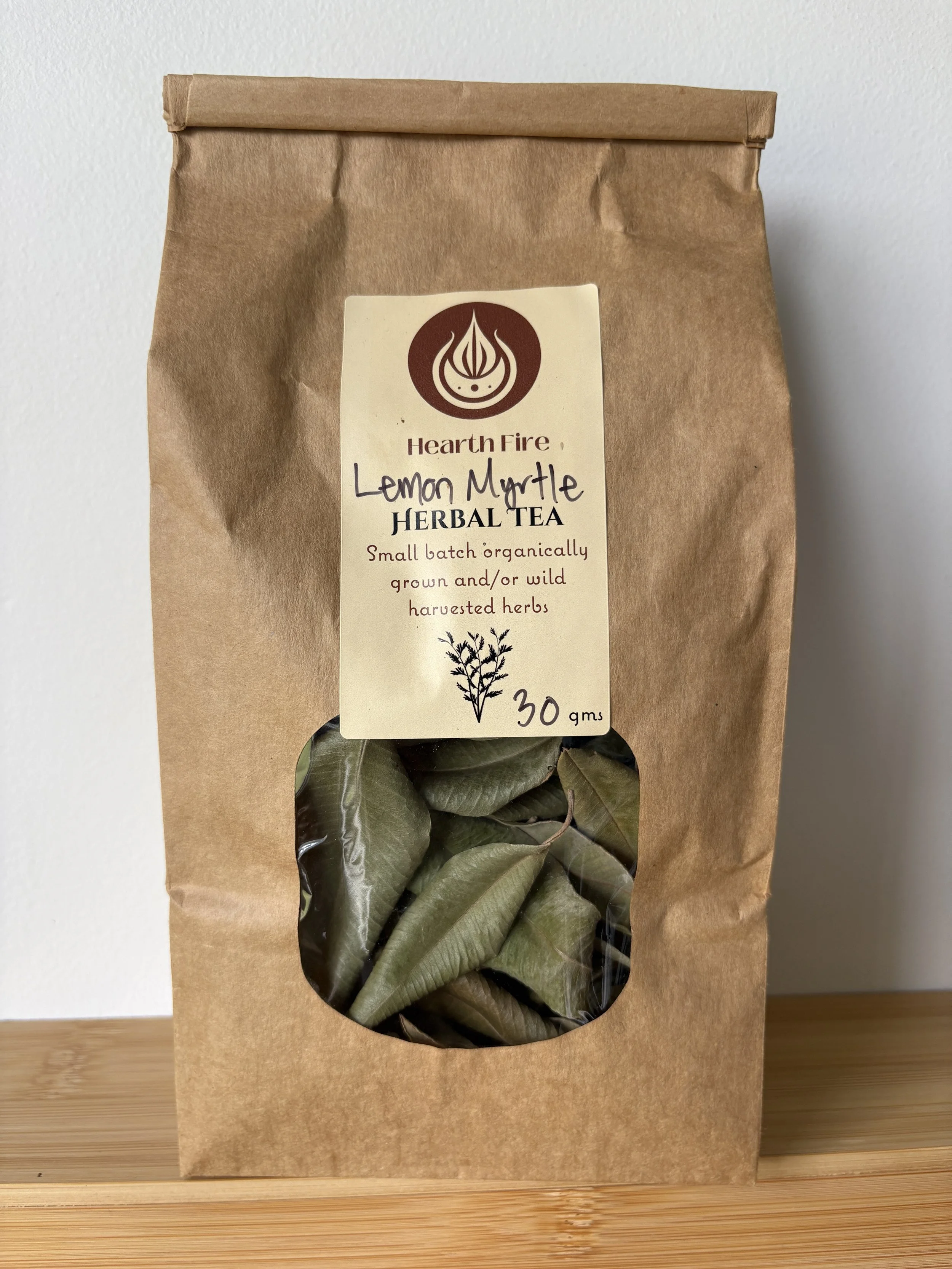
Lemon Myrtle Tea (Backhousia citriodora) - my personal favourite tea for flavour and everyday use!
An Australian native tree, the leaves are high in medicinal essential oils and antioxidants. The tea makes a delicious infusion with a range of medicinal properties supported by traditional use and growing scientific evidence. I grow and use it in small batches.
Potential benefits of lemon myrtle tea
Antimicrobial and antiviral support: Laboratory studies show lemon myrtle extracts can inhibit bacteria and some fungi. As a tea, it may help support mucosal defenses (throat and upper respiratory tract) and be a gentle adjunct when you have a mild sore throat or respiratory irritation.
Anti-inflammatory relief: The citral and other constituents can reduce inflammatory signaling, which may ease sore throats, mild respiratory inflammation, and general discomfort.
Antioxidant support: Flavonoids and other compounds scavenge free radicals, helping reduce oxidative stress when consumed as part of a balanced diet.
Digestive soothing: Traditionally used to ease mild digestive upset, wind, and cramping; a warm cup after a meal can be calming for the gut.
Aromatic calming effect: may reduce stress and mental fatigue; inhaling the steam while sipping the tea adds a gentle mood-lifting quality.
Mild analgesic properties: Some people report modest relief from headaches and tension when drinking the tea, likely due to a combination of anti-inflammatory and calming effects.
How to prepare and dose
Standard infusion: Use 1–2 teaspoons of dried lemon myrtle leaves per cup (250 ml) of hot water. Steep 5–10 minutes, covered, to retain volatile oils. Taste and adjust. Strain and drink warm.
Stronger infusion: For a more concentrated cup, use up to 1 tablespoon per cup and steep 10–15 minutes; this increases both flavor and bioactive compounds but remains much milder than essential oil.
Frequency: 1–3 cups daily is common and gentle for most adults. Use as needed for symptom support.
Safety and cautions
Pregnancy and breastfeeding: Avoid high doses and concentrated extracts. Moderate amounts as a tea are often considered safe, but check with a healthcare provider if pregnant, breastfeeding, or planning pregnancy.
Essential oil caution: Do not ingest lemon myrtle essential oil directly. Oils are highly concentrated and can cause irritation, toxicity, or allergic reactions.
Allergies and sensitivities: Stop use if you develop skin rash, throat irritation, nausea, or other adverse reactions. People sensitive to citral or other citrus-like compounds should use with caution.
Other simple herbal uses at home
Sore throat rinse: Make a strong infusion, let it cool until warm, and use as a gargle to soothe throat discomfort.
Steam inhalation: Add a strong infusion to a bowl and inhale steam (covering head with a towel) to ease nasal congestion.
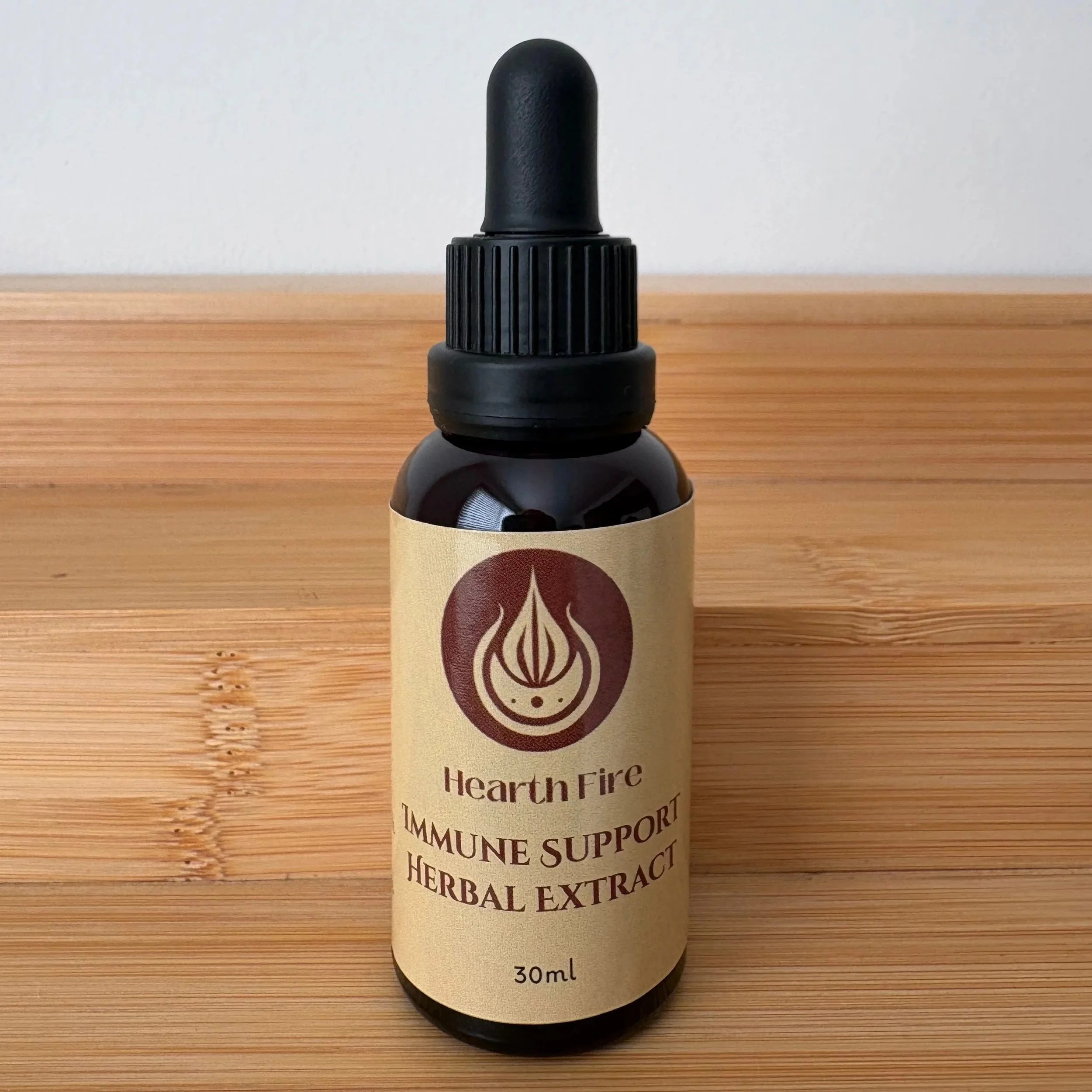
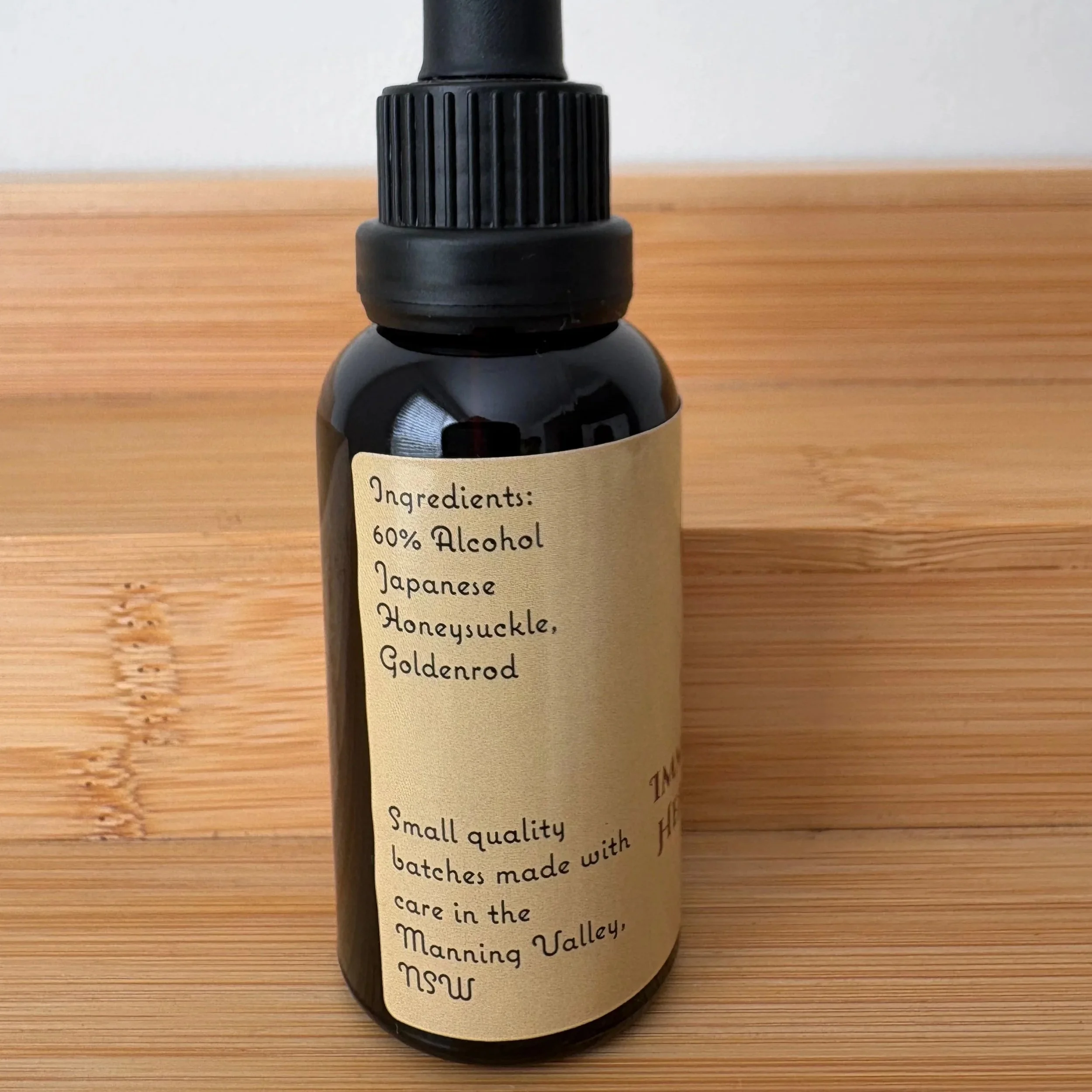
Japanese Honeysuckle (Loinicera japonica) and Goldenrod (Solidago canadensis) freshly harvested flowers extracted in 60% alcohol as an effective immune support:
Antiviral, especially for colds, flus and respiratory support
Anti bacterial prevention for lungs during and after colds and flus
Anti-inflammatory
Allergy support, especially when the immune system is low
Use diluted in water or a warm tea with honey
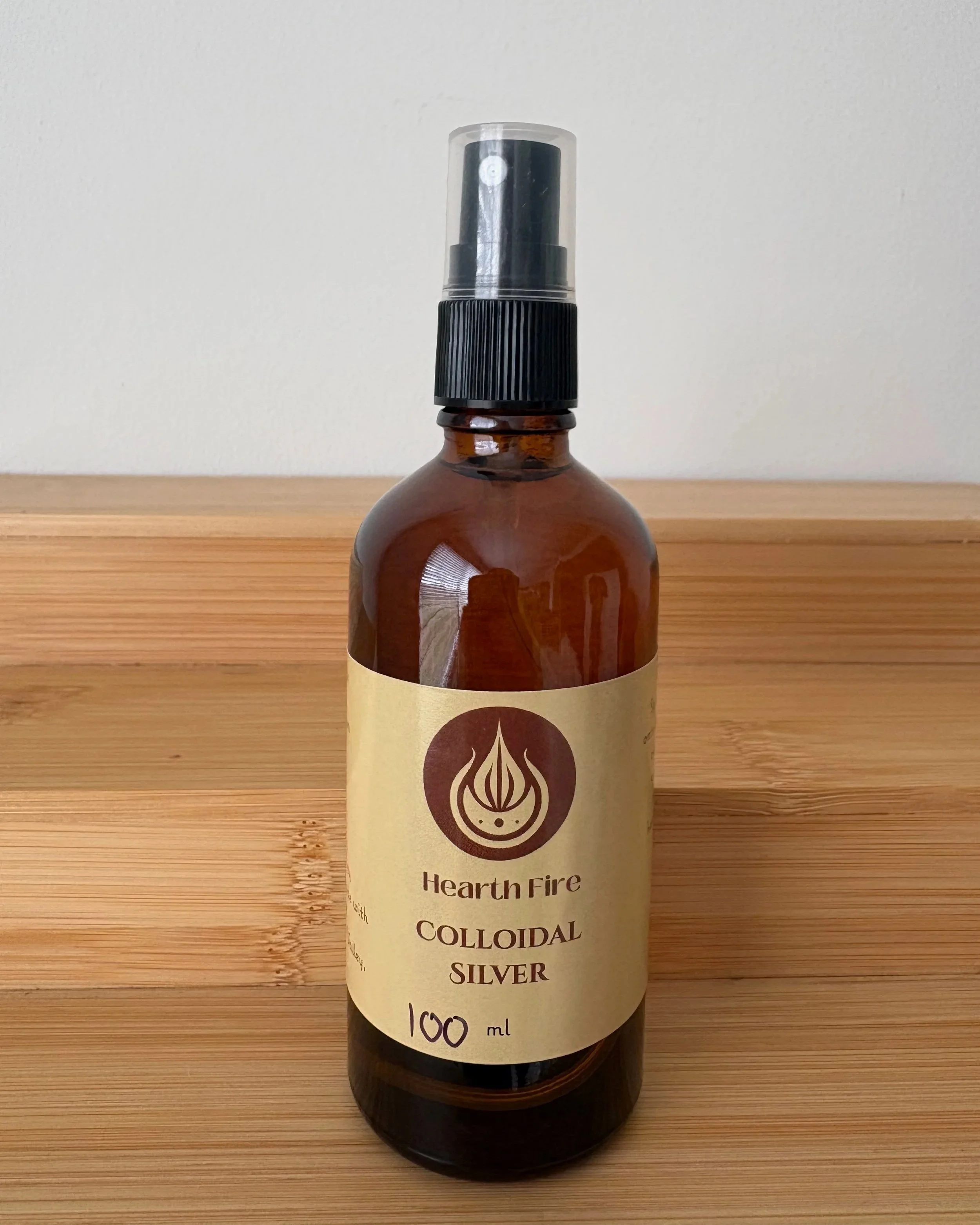
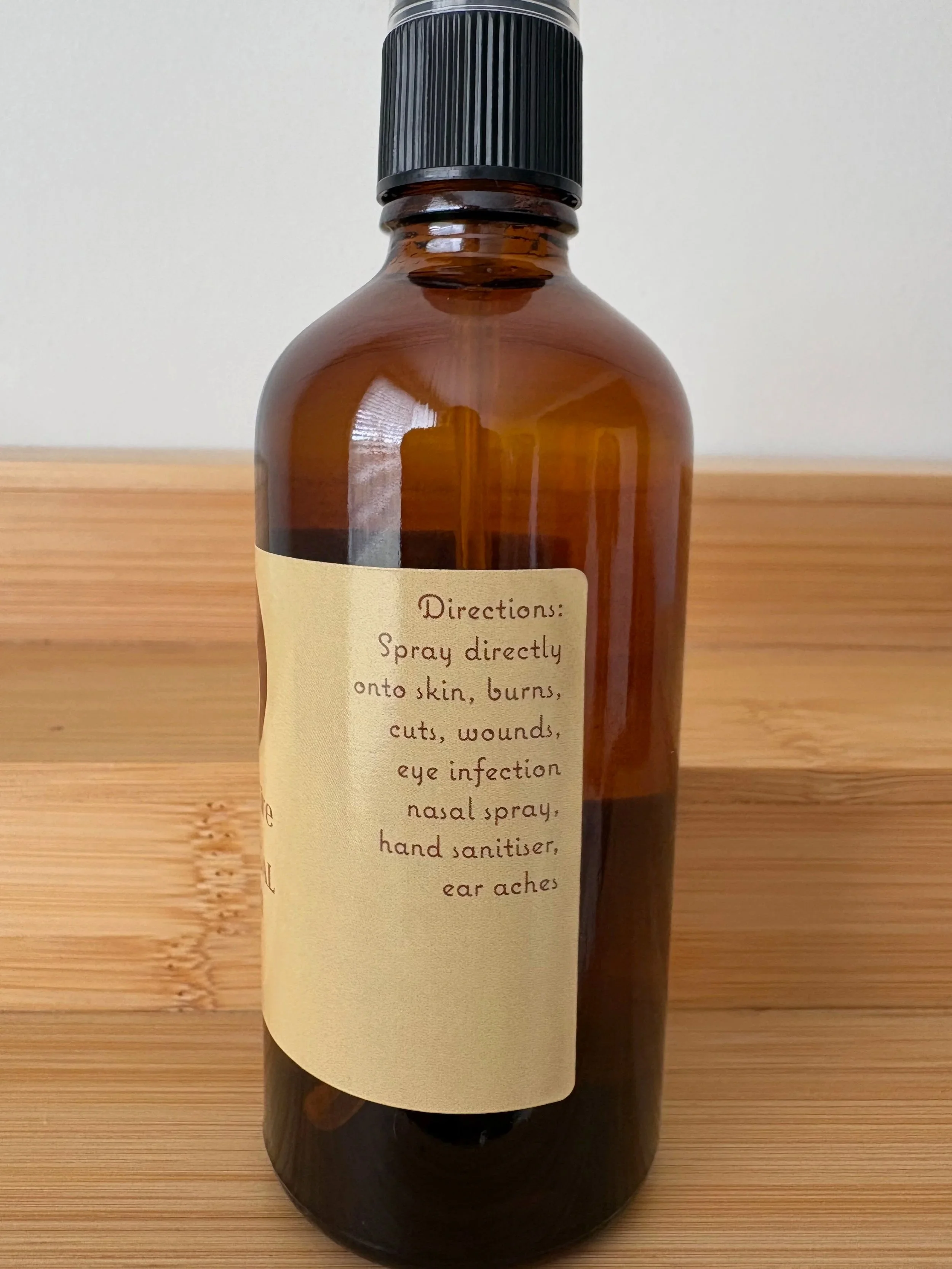
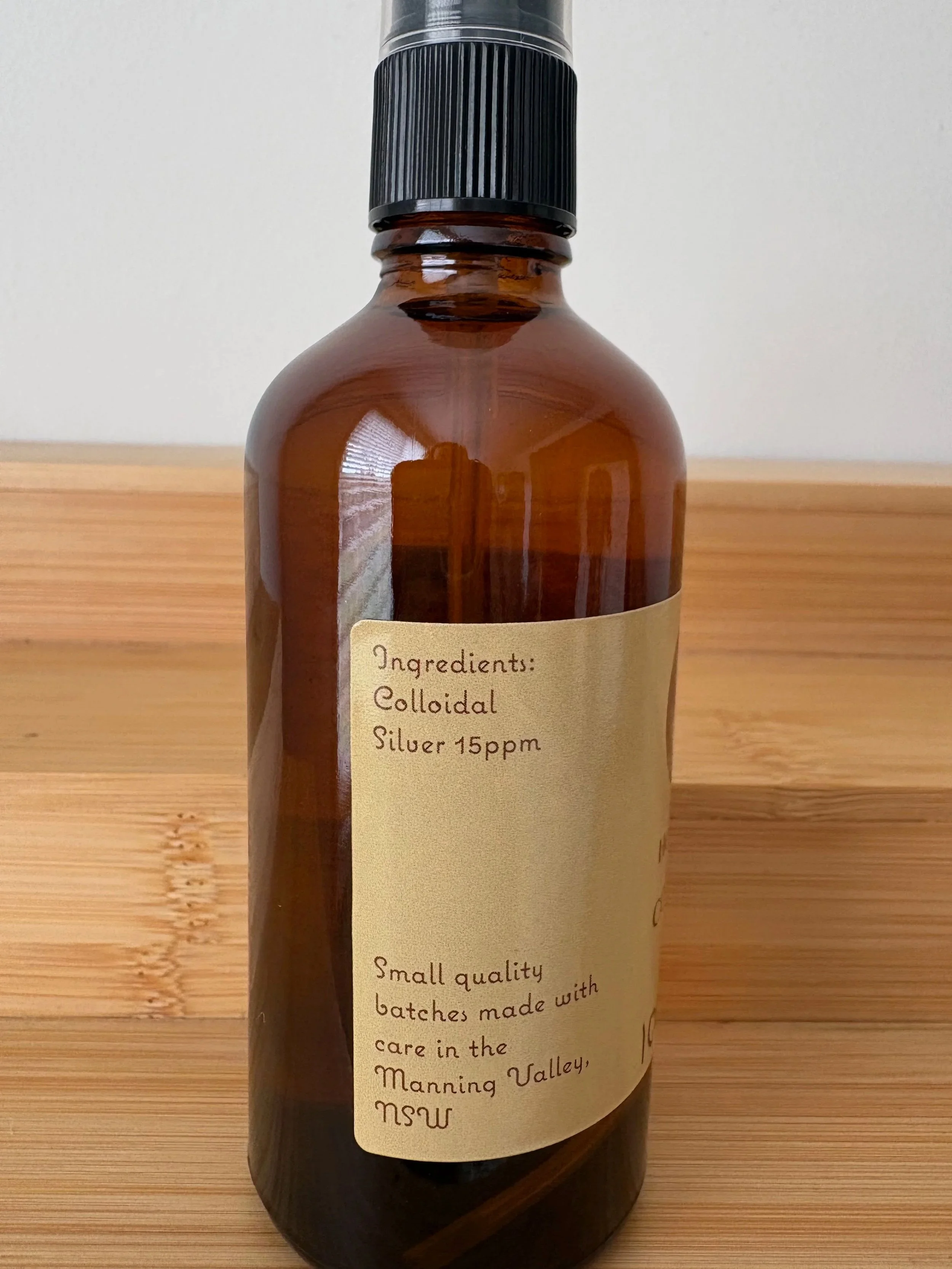
Colloidal Silver Spray carefully made by me in a multiple step process to provide a safe and effective product for the home first aid kit:
First I filter rain water
Then I distill the water to ensure there are no other minerals and impurities, testing the end result
Lastly I carefully create the colloidal silver with pure silver rods within a set timeframe
The final product is tested with a laser beam test
Colloidal silver is a valuable item to have on hand and I have used it successfully a multitude of time in my own family for the following topical applications:
To spray bites, cuts, grazes and wounds to prevent bacterial infection
Eye infections such as styes, conjunctivitis, pink eye
Ear infections, alternating with ear oil
Ear piercings
An adjunct to eczema and acne treatment
To assist healing with impetigo
Disclaimer: The information and products provided by Hearth Fire and Shelley McClure are for educational and traditional wellness purposes only and do not constitute medical advice, diagnosis, or treatment. Consult a qualified healthcare professional before using any herbal product or making changes to your health regimen, especially if you are pregnant, nursing, taking medication, or have a medical condition. Individual results may vary. In case of a medical emergency, or symptoms persisting sand worsening seek immediate professional care. Hearth Fire and Shelley McClure are not liable for any adverse effects or outcomes resulting from use of these products or information.
No results match your search. Try removing a few filters.
